To improve ice maker performance, regularly descale the machine every 3-6 months, change water filters every six months, and ensure proper ventilation around the unit. These steps prevent mineral buildup and allow the cooling system to operate efficiently, leading to faster ice production and better ice quality. For instance, a properly descaled machine can produce clear, full-sized ice cubes more quickly than one with significant scale accumulation.
Forget the idea that you need a degree in refrigeration engineering. Boosting your ice maker’s efficiency is usually about basic maintenance and understanding what makes it tick. Let’s dive in and turn your sluggish ice machine into the high-performance hero of your kitchen or bar.
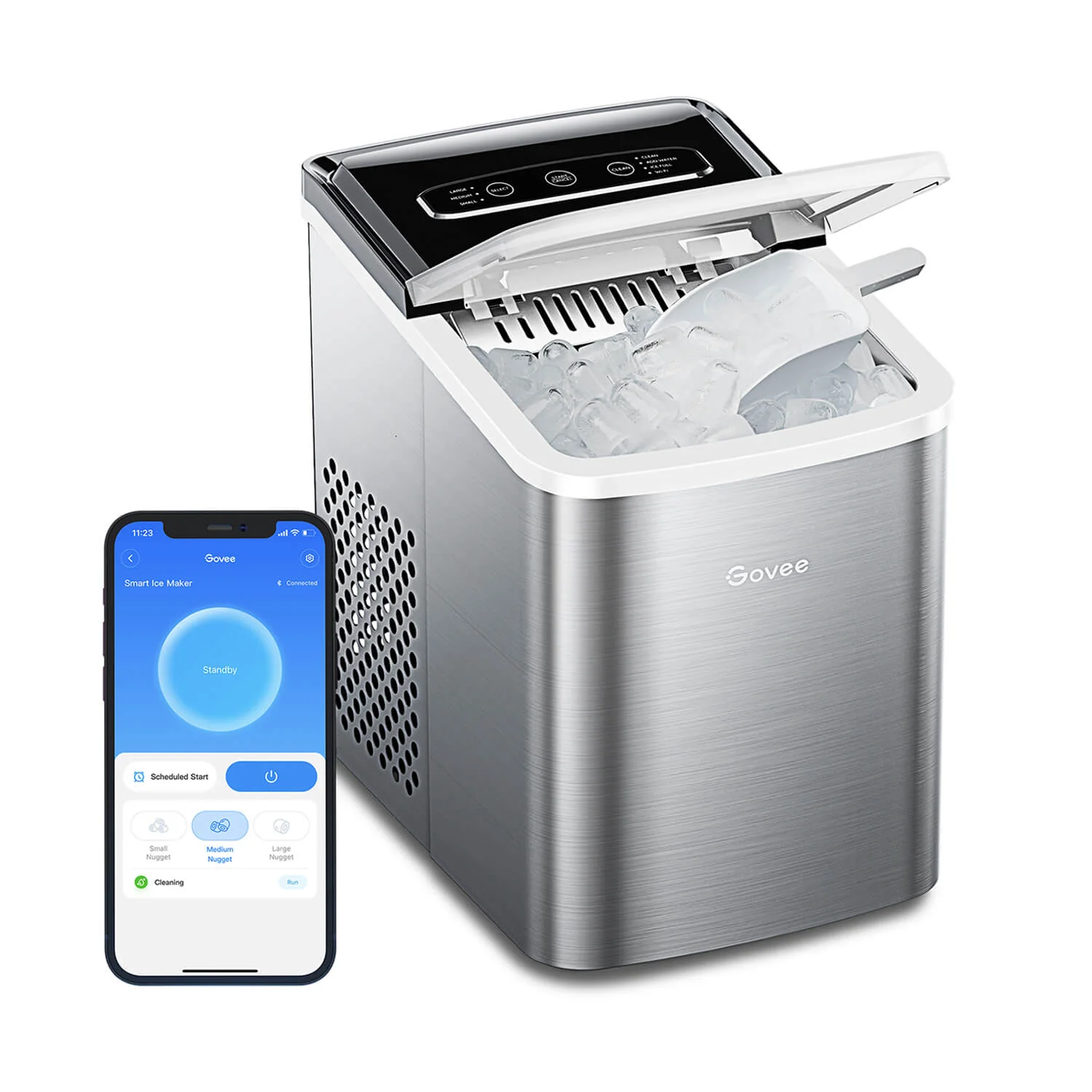 For expert ice maker reviews on this site.
The Foundation: A Clean Machine is a Fast Machine
You wouldn’t expect a car to win a race with a clogged air filter, right? The same principle applies to your ice maker. Mineral buildup, grime, and clogged filters are the most common culprits behind poor performance. A thorough cleaning isn’t just for hygiene—it’s for speed and efficiency.
Step 1: The Deep Clean (Descaling)
Over time, minerals from your water (like calcium and lime) build up inside your ice maker’s pipes and on its moving parts. This is called scale, and it acts like insulation, forcing your machine’s cooling system to work much harder and longer to freeze the water. This directly impacts how quickly it can produce a batch of ice.
Here’s a basic descaling process for most portable or countertop models:
- Unplug and Empty: Safety first! Unplug the unit, remove any ice from the basket, and drain all the water from the reservoir.
- Create a Cleaning Solution: You can use a commercial ice maker descaling solution or a simple mixture of equal parts white vinegar and water. I lean towards commercial cleaners as they are formulated specifically for this, but vinegar is a great household alternative.
- Run a Cleaning Cycle: Fill the reservoir with your chosen solution. If your machine has a dedicated “Clean” cycle, run it. If not, just run it through a few regular ice-making cycles, but be sure to discard the ice it produces. This is cleaning ice, not for consumption!
- Rinse Thoroughly: Once the cleaning cycle is done, drain the solution completely. Then, fill the reservoir with fresh, clean water and run two or three more ice-making cycles, discarding the ice each time. This rinses out any lingering vinegar or cleaner taste.
“I always tell my clients that descaling is the single most effective thing they can do to improve ice maker performance. I’ve seen machines that were producing half-sized, cloudy cubes suddenly start churning out perfect, clear ice again after a single proper descaling.” – John Carter, Certified Appliance Technician.
Step 2: The Water Filter: Your First Line of Defense
|
Our Picks for the Best Ice Maker in 2026
As an Amazon Associate, we earn from qualifying purchases.
|
||
| Num | Product | Action |
|---|---|---|
| 1 | Frigidaire 26 Lbs per Day Portable Compact Maker, Ice Making Machine, Black Stainless, Medium |

|
| 2 | Silonn Ice Makers Countertop, 9 Cubes Ready in 6 Mins, 26lbs in 24Hrs, Self-Cleaning Ice Machine with Ice Scoop and Basket, 2 Sizes of Bullet Ice for Home Kitchen Office Bar Party, Sliver |
|
| 3 | Nugget Ice Maker Countertop, Silonn Chewable Pellet Ice Machine with Self-Cleanin Function, 33lbs/24H Portable Ice Makers for Home Kitchen Officce, Black |
|
| 4 | Silonn Countertop Ice Maker, 9 Ice Cubes in 6 Mins, 26 Lbs in 24 Hrs, Compact Ice Machine with Ice Basket & Scoop, 2 Ice Sizes, Self-Cleaning Ice Maker for Home/Party/Office/Bar/Dorm, Black |
|
| 5 | Ice Maker Countertop, 9 Cubes Ready in 6 Mins, 26 lbs per Day, Ice Machine with 2 Ice Sizes and Self-Cleaning, Portable Ice Maker with Handle for Home, Kitchen, Camping, RV, Office, Black |
|
| 6 | FRIGIDAIRE EFIC128AMZBLK Compact Countertop Ice Maker, 26 lb per Day, Black |
|
| 7 | Silonn Nugget Ice Maker Countertop, Pebble Ice Maker with Soft Chewable Ice, One-Click Operation Ice Machine with Self-Cleaning, 33lbs/24H for Home,Kitchen,Office |
|
| 8 | FRIGIDAIRE EFIC189-Silver Compact Ice Maker, 26 lb per Day, Silver |
|
| 9 | EUHOMY Nugget Ice Makers Countertop, Pebble Ice Maker Machine with 35lbs/24H Soft Ice, Self-Cleaning Sonic Ice Maker with Ice Scoop&Basket, Pellet Ice Maker for Home/Kitchen/Office(Stainless Steels) |
|
| 10 | EUHOMY Nugget Ice Maker Countertop with Handle, Ready in 6 Mins, 34lbs Per Day, Removable Top Cover, Auto-Cleaning, Portable Sonic Ice Maker with Basket and Scoop, for Home/Party/RV/Camping (Black) |
|
If your ice maker is connected to a water line (like in a refrigerator or an undercounter unit), it has a water filter. This filter is your best friend for both ice quality and machine performance. It removes impurities that cause bad taste and, more importantly, prevents sediment from clogging the water lines.
A clogged filter restricts water flow. When not enough water gets to the ice tray or evaporator plate in time, you get small, hollow, or incomplete cubes. Think of it as trying to fill a water balloon with a pinched hose. Change your water filter every six months, no exceptions. This simple act is a cornerstone of how to improve ice maker performance.
Optimize the Environment for Peak Ice Production
Your ice maker doesn’t operate in a vacuum. Its surrounding environment plays a massive role in how efficiently it works. You can have the cleanest machine in the world, but if it’s in the wrong spot, it will struggle.
Is Your Freezer or Room Too Warm?
Ice makers work by removing heat from water. To do this effectively, they need to be able to dissipate that heat into the surrounding air.
- For Refrigerator Ice Makers: The ideal freezer temperature is 0° F (-18° C). If your freezer is set much warmer, say 10° F, the ice maker has to work overtime just to reach the freezing point. Check your freezer’s thermostat and adjust if necessary.
- For Countertop/Portable Ice Makers: These units have vents, usually on the sides or back, where a fan blows out hot air from the condenser. Make sure these vents have at least 5-6 inches of clear space around them. Pushing it up against a wall or boxing it in a corner is a recipe for slow ice production. Keep it out of direct sunlight, too!
Water Temperature and Pressure Matter
It might sound obvious, but colder water freezes faster. If you’re using a portable ice maker, filling the reservoir with chilled water from the fridge instead of room-temperature tap water can shave a few minutes off each cycle.
For plumbed-in units, water pressure is key. Low water pressure (below 20 psi) means the water valve may not close properly or fill the ice mold completely. Ensure your home’s water pressure is adequate and check the water line connected to the machine for any kinks or blockages.
Quick Fixes and Mechanical Checks
Sometimes, the issue isn’t about deep cleaning or ambient temperature but a simple mechanical hiccup. Before calling a technician, run through this quick checklist.
- Check the Feeler Arm (or Sensor): Most ice makers have a metal arm or an optical sensor that detects when the ice bin is full. If this arm is stuck in the “up” position or the sensor is blocked by a stray cube, the machine will think it’s full and stop producing ice. Gently check that the arm can move freely up and down.
- Inspect the Water Line: For plumbed-in units, carefully pull the appliance away from the wall and ensure the water line isn’t kinked or crushed. This is a common and easily fixable problem.
- Level the Machine: An ice maker, especially a portable one, needs to be on a level surface to work correctly. If it’s tilted, water may not fill the freezing tray evenly, resulting in misshapen cubes or incomplete cycles.
Understanding Your Ice Maker’s Limits
It’s also important to have realistic expectations. A portable ice maker rated to produce “26 pounds of ice in 24 hours” won’t fill its basket in 30 minutes. That rating is its maximum output under ideal conditions over a full day. The first batch always takes the longest because the machine has to cool down from room temperature. Subsequent batches will be faster.
If you’re consistently running out of ice for your family or for parties, it might not be a performance issue. You may have simply outgrown your machine’s capacity. In that case, the best way to improve your ice experience is to upgrade. Consider a model with a larger production capacity or a bigger storage bin. [Check out our reviews of the best high-capacity ice makers for 2024] to find a model that fits your needs.
Frequently Asked Questions (FAQ)
Q: How often should I clean my ice maker?
A: For optimal performance and taste, you should run a cleaning/descaling cycle at least once every 3-6 months. If you have very hard water, you may need to do it more frequently. Sanitize it at the same time.
Q: Why does my ice taste bad?
A: Bad-tasting ice is usually caused by an old water filter, stale water sitting in the reservoir too long, or the machine needing a sanitizing cycle to remove bacteria or mildew. It can also absorb odors from food in your freezer if it’s a refrigerator unit.
Q: Can I just use tap water in my portable ice maker?
A: Yes, you can. However, using filtered or distilled water can significantly reduce the frequency of descaling needed, as it contains fewer minerals. This helps maintain better performance over the long term and often results in clearer ice cubes.
Q: How can I make my ice maker produce ice faster right now?
A: The quickest way to get a faster batch is to use pre-chilled water in the reservoir and ensure the machine has plenty of ventilation. Also, select the smallest cube size if your machine has that option, as smaller cubes freeze faster than larger ones.
Q: Why did my ice maker suddenly stop working?
A: First, check the simple things. Is it plugged in? Is the feeler arm stuck? Is the water line connected and the valve open? If these basic checks don’t solve it, it could be a clog or a more significant mechanical issue that may require a professional.
Your Path to Perfect Ice
Mastering how to improve ice maker performance doesn’t require a toolbox or a technical manual. It’s about creating the ideal conditions for your machine to do its job: keeping it clean, giving it space to breathe, and ensuring it has a steady supply of clean water. By incorporating these simple maintenance habits into your routine, you’ll ensure your ice maker is always ready for action, delivering cold, crisp ice whenever you need it. Now go enjoy that perfectly chilled drink—you’ve earned it.
Frequently Asked Questions
How often should I clean my ice maker for optimal performance?
For optimal performance and taste, you should run a cleaning and descaling cycle at least once every 3-6 months. If your water is particularly hard, more frequent cleaning may be necessary to prevent mineral buildup and maintain efficiency.
Why does the ice from my ice maker have a bad taste?
Bad-tasting ice is typically caused by an old water filter, stale water left in the reservoir for too long, or the need for a sanitizing cycle to remove bacteria or mildew. For refrigerator units, ice can also absorb odors from food stored in the freezer compartment.
Can I use regular tap water in my portable ice maker?
Yes, you can use regular tap water in your portable ice maker. However, using filtered or distilled water can significantly reduce the frequency of descaling required, as it contains fewer minerals, leading to clearer ice cubes and better long-term performance.
What is the quickest way to make my ice maker produce ice faster?
The quickest way to get a faster batch of ice is to fill the reservoir with pre-chilled water and ensure the machine has ample ventilation around its vents. Additionally, if your machine offers different cube sizes, selecting the smallest option will result in faster freezing times.
What should I check if my ice maker suddenly stops producing ice?
If your ice maker suddenly stops working, first check basic connections: ensure it's plugged in, the feeler arm isn't stuck, and the water line is connected with the valve open. If these simple checks don't resolve the issue, it could indicate a clog or a more significant mechanical problem requiring professional attention.
Improve Ice Maker Performance
Follow these steps to improve your ice maker's performance, ensuring faster ice production and better quality.
Unplug the unit, empty the ice basket, and drain the reservoir. Fill the reservoir with a commercial descaling solution or a 50/50 white vinegar and water mixture. Run a cleaning cycle or several ice-making cycles, discarding all ice produced.
After the cleaning cycle, drain the solution completely. Refill the reservoir with fresh, clean water and run two to three more ice-making cycles, discarding the ice each time. This removes any residual cleaner or vinegar taste.
For plumbed-in units, replace the water filter every six months without exception. A fresh filter ensures optimal water flow and prevents sediment from clogging lines, which is crucial for consistent ice production.
Ensure your ice maker has at least 5-6 inches of clear space around its vents to dissipate heat effectively. For refrigerator ice makers, maintain a freezer temperature of 0u00b0 F (-18u00b0 C). Keep portable units out of direct sunlight.
Verify your home's water pressure is adequate (above 20 psi) for plumbed units and check for kinks in the water line. Ensure portable ice makers are on a level surface to allow even water distribution and proper freezing.
Get our weekly buyer guide
Practical specs, not advice. Unsubscribe anytime.
Changing the water filter every six months is something I always forget. I appreciate the reminder, but I wish there was an easier way to track it or a universal indicator light. My ice maker still feels a bit sluggish even after a new filter, so I’m wondering if there’s another issue. The ice is clear, though.
The advice on descaling regularly really hit home. I hadn’t descaled my commercial ice machine in over a year, and it was definitely showing. After following the steps, the ice quality is noticeably better, and the cubes are fuller. I wish I’d known about the 3-6 month recommendation sooner, but better late than never!
I’ve been struggling with slow ice production for months, and the tip about proper ventilation around the unit was a game-changer. I moved some things away from the sides of my under-counter ice maker, and now it’s making ice so much faster. It’s amazing how such a simple adjustment made such a big difference in performance. Definitely recommend checking your setup!
My portable ice maker for camping was always taking forever to make a batch. I realized I wasn’t giving it enough space, and the cooling system was probably overheating. After ensuring better airflow, it’s producing ice much more efficiently now. It’s great to have clear, full-sized ice cubes ready when we need them outdoors.