A leaking ice maker can be fixed by systematically checking and tightening the water supply line, clearing a clogged defrost drain, inspecting the water inlet valve, realigning the fill tube, or replacing a cracked ice maker assembly. Most leaks stem from loose connections or blockages, which homeowners can often resolve with basic tools and troubleshooting steps, typically taking less than an hour for diagnosis and repair.
A leaking ice maker isn’t just an annoyance; it can cause water damage to your floors, cabinets, and even the fridge itself. But before you panic and call a pricey repair service, let’s roll up our sleeves. We’re going to walk through the common culprits and the exact steps to get your ice maker back to its one and only job: making ice, not puddles.
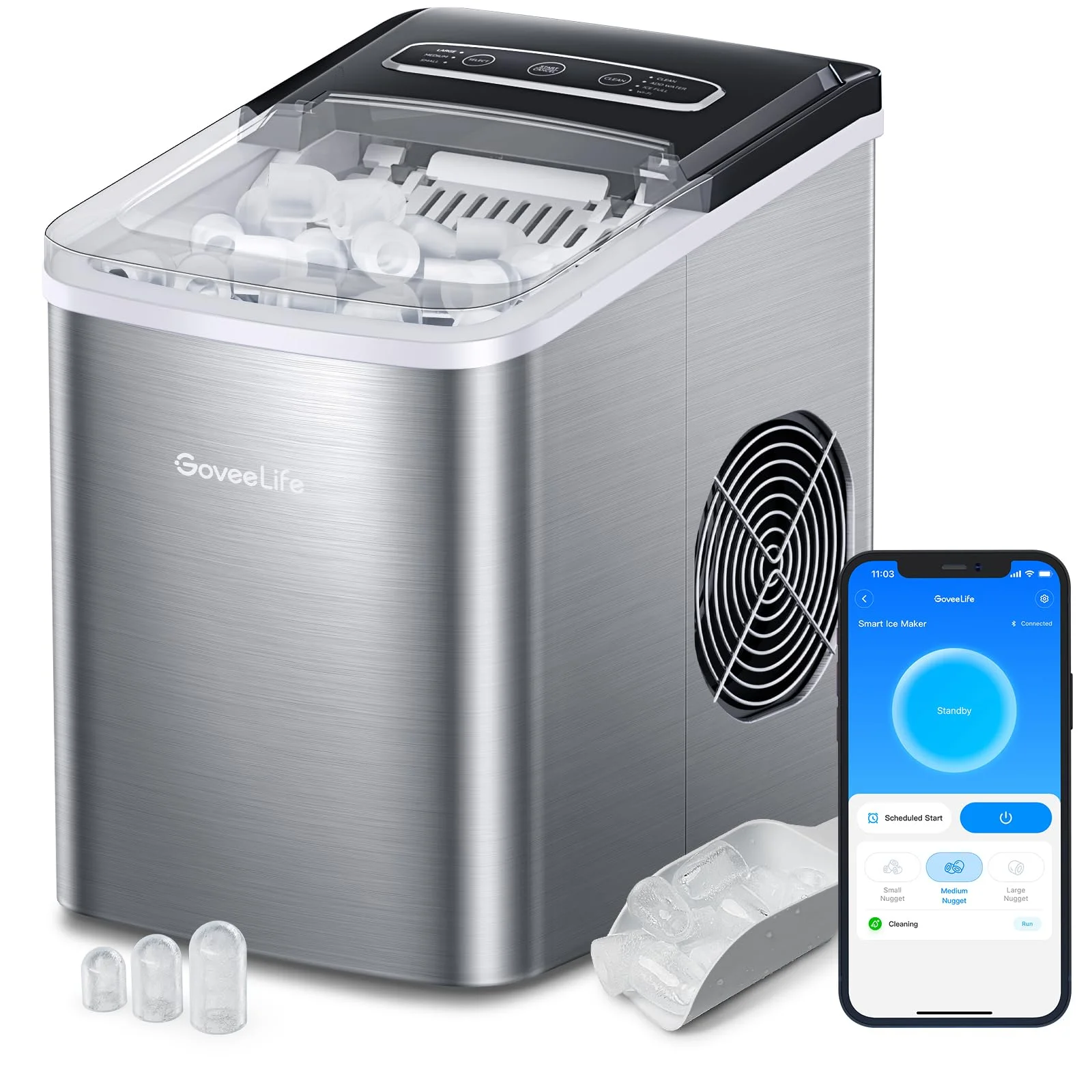 For expert ice maker reviews on this site.
First Things First: Safety and Prep Work
Before you start poking around, safety is paramount. We’re dealing with water and electricity, a combination that demands respect.
- Unplug the Refrigerator: Don’t just turn it off. Pull the plug completely from the wall outlet. This eliminates any risk of electric shock.
- Turn Off the Water Supply: Locate the water shutoff valve for your ice maker. It’s usually a small valve on the wall behind the fridge, connected to a thin copper or plastic tube. Turn it clockwise until it’s firmly closed.
- Move the Fridge: Carefully pull the refrigerator away from the wall so you have plenty of room to work. Grab a friend if it’s heavy.
- Clean Up: Sop up any standing water with towels to prevent slipping and further damage.
Why Is My Ice Maker Leaking? Pinpointing the Culprit
An ice maker can leak for several reasons. Your first job is to play detective and figure out where the water is coming from. Here are the most common offenders, from the easiest to the most complex.
The Water Supply Line: The Usual Suspect
The thin water line running from your wall to the back of the refrigerator is the most frequent source of leaks. It’s often under pressure and can loosen over time.
This is the very first thing you should check. Look for drips or moisture around the connection points at both the wall valve and the refrigerator’s water inlet valve. Sometimes the line itself can get brittle and crack, especially if it’s plastic.
A Clogged or Frozen Defrost Drain
Your freezer has a self-defrost cycle that melts frost, and the water is supposed to go down a small drain tube to a pan underneath the fridge where it evaporates. If this drain gets clogged with ice or food debris, the water has nowhere to go but out onto your floor.
Expert Tip: “I often see defrost drain clogs mistaken for ice maker leaks,” notes John Carter, a certified appliance technician with over 15 years of experience. “A quick way to check is to see if there’s an unusual amount of frost or ice built up on the floor of your freezer. That’s a classic sign of a blocked drain.”
The Water Inlet Valve
|
Our Picks for the Best Ice Maker in 2026
As an Amazon Associate, we earn from qualifying purchases.
|
||
| Num | Product | Action |
|---|---|---|
| 1 | Ice Maker Countertop, 9 Cubes Ready in 6 Mins, 26 lbs per Day, Ice Machine with 2 Ice Sizes and Self-Cleaning, Portable Ice Maker with Handle for Home, Kitchen, Camping, RV, Office, Black |

|
| 2 | Nugget Ice Maker Countertop, Silonn Chewable Pellet Ice Machine with Self-Cleanin Function, 33lbs/24H Portable Ice Makers for Home Kitchen Officce, Black |
|
| 3 | EUHOMY Nugget Ice Maker Countertop with Handle, Ready in 6 Mins, 34lbs Per Day, Removable Top Cover, Auto-Cleaning, Portable Sonic Ice Maker with Basket and Scoop, for Home/Party/RV/Camping (Black) |
|
| 4 | Silonn Nugget Ice Maker Countertop, Pebble Ice Maker with Soft Chewable Ice, One-Click Operation Ice Machine with Self-Cleaning, 33lbs/24H for Home,Kitchen,Office |
|
| 5 | FRIGIDAIRE EFIC189-Silver Compact Ice Maker, 26 lb per Day, Silver |
|
| 6 | Silonn Countertop Ice Maker, 9 Ice Cubes in 6 Mins, 26 Lbs in 24 Hrs, Compact Ice Machine with Ice Basket & Scoop, 2 Ice Sizes, Self-Cleaning Ice Maker for Home/Party/Office/Bar/Dorm, Black |
|
| 7 | FRIGIDAIRE EFIC128AMZBLK Compact Countertop Ice Maker, 26 lb per Day, Black |
|
| 8 | Silonn Ice Makers Countertop, 9 Cubes Ready in 6 Mins, 26lbs in 24Hrs, Self-Cleaning Ice Machine with Ice Scoop and Basket, 2 Sizes of Bullet Ice for Home Kitchen Office Bar Party, Sliver |
|
| 9 | EUHOMY Nugget Ice Makers Countertop, Pebble Ice Maker Machine with 35lbs/24H Soft Ice, Self-Cleaning Sonic Ice Maker with Ice Scoop&Basket, Pellet Ice Maker for Home/Kitchen/Office(Stainless Steels) |
|
| 10 | Frigidaire 26 Lbs per Day Portable Compact Maker, Ice Making Machine, Black Stainless, Medium |
|
This is the part on the back of your fridge where the main water line connects. It’s an electronically controlled valve that opens to let water into the ice maker. If the valve is cracked or the connection is loose, it will leak, often creating a slow but steady drip.
The Fill Tube
The fill tube is a small white or clear tube that directs water from the inlet valve into the ice maker mold inside the freezer. Sometimes, this tube can get misaligned or blocked with ice, causing water to spill over into the ice bin or down into the bottom of the freezer.
A Cracked Ice Maker Assembly
This is less common, but the plastic body of the ice maker unit itself can develop a crack. When the mold fills with water, it can seep out through the crack. This usually happens with older units.
Your Guide on How to Fix Ice Maker Leaking Water
Now that you have an idea of what might be wrong, let’s get to fixing it. Follow these steps methodically.
- Inspect and Tighten the Water Supply Line:
- Action: Using your fingers and a dry cloth, feel along the entire length of the water line from the wall to the fridge. Pay close attention to the threaded connections.
- Fix: If you find a leak at a connection, use a small wrench to gently tighten the compression nut. Gently is the key word here—over-tightening can crack the fitting. If the line itself is cracked or kinked, it needs to be replaced. This is an inexpensive part available at any hardware store.
- Clear the Defrost Drain:
- Action: Look inside your freezer, usually at the back or bottom, for a small drain hole. If it’s covered in ice, you’ve found your problem.
- Fix: First, empty the freezer. Use a hairdryer on a low setting to melt the ice around the drain. Never use a sharp object to chip away the ice, as you can puncture the freezer lining. Once clear, use a turkey baster to flush the drain with warm water to clear any remaining debris. If it’s still clogged, you may need to use a thin, flexible tool (like a pipe cleaner) to gently dislodge the blockage from the back of the fridge where the tube exits.
- Check the Water Inlet Valve:
- Action: The inlet valve is on the lower back of the fridge where the water line connects. Dry it off completely, then place a dry paper towel underneath it.
- Fix: Wait for about an hour. If the paper towel is wet, your valve is leaking. First, try tightening the connection where the water line attaches. If it still leaks, the valve itself is faulty and needs to be replaced. This is a common DIY repair, and you can find replacement parts by searching for your refrigerator’s model number.
- Examine the Fill Tube:
- Action: Open your freezer door and locate the ice maker. Find the fill tube that extends from the back wall into the ice maker mold.
- Fix: Check if it’s frozen solid. If so, use a hairdryer to gently thaw it. If it seems out of place, ensure it’s positioned directly over the mold so water doesn’t miss its target.
- Inspect the Ice Maker Assembly:
- Action: Carefully examine the entire plastic body of the ice maker unit. Look for any visible cracks or signs of water weeping from the seams.
- Fix: Unfortunately, a cracked ice maker mold is not repairable. The entire assembly will need to be replaced. While this sounds daunting, on many models, it’s a simple plug-and-play unit held in by just a few screws.
Is It Time for an Upgrade?
If you’ve gone through these steps and your ice maker is still leaking, or if you’ve discovered a major issue like a cracked assembly on an old fridge, it might be time to ask a different question: Is it worth fixing?
Sometimes, the cost of parts and the hassle of a repair can outweigh the benefits, especially for an older, less efficient unit. Modern ice makers are more reliable, energy-efficient, and come with incredible features. From countertop “nugget” ice makers perfect for summer cocktails to undercounter models that provide a constant supply for a busy family, the technology has come a long way.
- Countertop Ice Makers: Perfect for parties, RVs, or if your fridge doesn’t have a built-in maker. They are plug-and-play and start making ice in minutes.
- Undercounter Ice Makers: For the true ice aficionado, these built-in units produce large quantities of crystal-clear ice, perfect for home bars and entertainers.
- Portable Ice Makers: Small, compact, and ideal for camping, boating, or tailgating.
Investing in a new, dedicated ice machine not only solves your leak problem permanently but also upgrades your entire beverage experience.
Frequently Asked Questions (FAQ)
Q: Can a clogged water filter cause my ice maker to leak?
A: It’s unlikely to cause a leak directly from the filter housing itself unless it was installed improperly. However, a severely clogged filter can cause pressure issues in the line that might exacerbate an existing weak connection, leading to a leak elsewhere.
Q: Why is my portable ice maker leaking from the bottom?
A: For a portable or countertop ice maker, a leak from the bottom is often caused by a cracked internal water reservoir or a disconnected drain plug. Make sure the drain plug on the bottom or side of the unit is securely fastened. If it persists, the internal tank may be damaged.
Q: How much does it cost to fix a leaking ice maker professionally?
A: A professional repair can range from $150 to over $400, depending on the cause. A simple fix like tightening a hose might be on the lower end, while replacing the entire ice maker assembly will be significantly more expensive, often making a new countertop unit a more cost-effective choice.
Q: How often should I clean my ice maker to prevent issues?
A: We recommend cleaning your ice maker every 3 to 6 months. This helps prevent mineral buildup that can clog lines and interfere with moving parts, reducing the risk of malfunctions that could lead to leaks.
Q: Is a tiny bit of condensation or a small puddle under the fridge normal?
A: Some condensation on the outside of the fridge, especially in humid weather, can be normal. However, a persistent puddle of water on the floor is never normal. It’s always a sign of a problem that needs to be addressed, whether it’s a clogged defrost drain or a leak in the ice maker system.
Wrapping It Up: Your Puddle-Free Future
Dealing with a puddle on the kitchen floor is a frustrating start to any day. But now, you’re armed with the knowledge to tackle the problem head-on. By systematically checking the supply line, drain, and internal components, you can often find and solve the issue yourself, saving time, money, and a whole lot of stress. Learning how to fix an ice maker leaking water is a valuable skill for any homeowner.
And if you do decide it’s time for a new machine, you’ll be making an informed decision. the goal is to have a reliable source of ice for your drinks, not a source of water for your floors. Good luck, and here’s to a dry kitchen and a glass full of perfect ice cubes.
Frequently Asked Questions
Can a clogged water filter cause my ice maker to leak?
A clogged water filter is unlikely to directly cause a leak from the filter housing itself unless improperly installed. However, a severely clogged filter can create pressure issues in the water line, potentially worsening an existing weak connection and leading to a leak elsewhere in the system.
Why is my portable ice maker leaking from the bottom?
A portable or countertop ice maker leaking from the bottom often indicates a cracked internal water reservoir or a disconnected drain plug. Ensure the drain plug on the unit's bottom or side is securely fastened. If the leak persists, the internal water tank may be damaged and require replacement.
How much does it cost to fix a leaking ice maker professionally?
Professional ice maker repair costs typically range from $150 to over $400, depending on the specific cause of the leak. A simple fix like tightening a hose connection will be on the lower end, while replacing the entire ice maker assembly can be significantly more expensive, sometimes making a new countertop unit a more cost-effective alternative.
How often should I clean my ice maker to prevent issues?
It is recommended to clean your ice maker every 3 to 6 months to prevent common issues like leaks. Regular cleaning helps to prevent mineral buildup that can clog water lines and interfere with the moving parts, thereby reducing the risk of malfunctions.
Is a small puddle of water under the refrigerator normal?
While some condensation on the outside of a refrigerator can occur, especially in humid conditions, a persistent puddle of water on the floor is never normal. Any standing water indicates a problem that requires immediate attention, such as a clogged defrost drain or a leak within the ice maker system.
How to Fix a Leaking Ice Maker
Follow these steps to diagnose and repair common ice maker leaks in your refrigerator, addressing issues from the water supply line to the ice maker assembly.
Feel along the entire water line from the wall to the fridge for moisture or drips, especially at connection points. Use a small wrench to gently tighten any loose compression nuts. If the line is cracked, it must be replaced.
Check the freezer's drain hole for ice blockage. Empty the freezer and use a hairdryer on a low setting to melt the ice. Flush the drain with warm water using a turkey baster to clear debris, or use a pipe cleaner for stubborn clogs.
Locate the inlet valve on the lower back of the fridge, dry it, and place a paper towel underneath. If the towel is wet after an hour, the valve is leaking. Try tightening connections first; if it still leaks, the valve needs replacement.
Open the freezer and find the fill tube extending into the ice maker mold. If it's frozen, gently thaw it with a hairdryer. Ensure the tube is correctly positioned directly over the mold to prevent water from spilling.
Carefully examine the plastic body of the ice maker unit for any visible cracks or signs of water weeping. A cracked ice maker mold is not repairable and requires the entire assembly to be replaced, which is often a simple plug-and-play unit.
Get our weekly buyer guide
Practical specs, not advice. Unsubscribe anytime.
My GE fridge started leaking a few weeks ago and I was dreading calling a repairman. This guide was a lifesaver! Turns out my water supply line was just a little loose. Tightened it up in about 10 minutes and no more puddles. So glad I found these steps before spending a fortune.
I followed the steps for my Whirlpool ice maker, especially checking the water inlet valve. It seemed fine, but the leak is still happening, just not as bad. I think I might have to replace the entire ice maker assembly after all. It was worth a try though, and the guide was easy to follow.
This saved me so much hassle! My fill tube was slightly misaligned and causing water to drip everywhere. I was able to realign it myself with just a few basic tools, exactly as described. My ice maker is back to normal and making perfect ice cubes again. Highly recommend these troubleshooting steps.
I had a persistent leak and couldn’t figure it out. The tip about checking the defrost drain was super helpful. Mine was completely gunked up, which I never would have thought to look at. It took a bit longer than an hour to really get it cleared out, but the leak is gone now. Thanks for the detailed instructions!