To buy an ice maker for camping, prioritize models under 25 pounds with efficient power consumption (under 130W running wattage) and a production capacity of 26-33 pounds of bullet ice per day. These features ensure portability, compatibility with portable power stations, and a steady supply of ice for outdoor adventures, transforming your camping experience with endless fresh ice.
As the lead creator at Ice Maker Best, I’ve tested, tinkered with, and even taken apart more ice machines than I can count. I’ve seen them perform flawlessly in pristine kitchens and sputter out in challenging environments. This hands-on experience has given me a deep understanding of what separates a great portable ice maker from a glorified paperweight, especially when you’re off the grid. This guide is all my field-tested knowledge, distilled into a simple, no-nonsense roadmap to help you find the perfect frosty companion for your next trip.
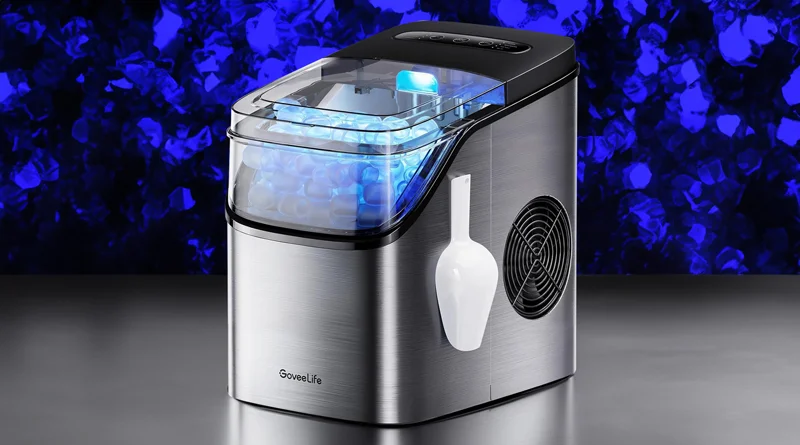 For best ice maker roundups on this site.
Why a Portable Ice Maker is a Camping Major Upgrade
You might be thinking, “Isn’t a cooler full of ice good enough?” For a short day trip, maybe. But for a weekend or longer, a portable ice maker isn’t just a convenience; it’s a whole new level of freedom.
- Endless Fresh Ice: The most obvious benefit! No more late-night runs to a camp store for overpriced, half-melted bags of ice. You have a constant supply for drinks, coolers, and even to soothe a minor bump or bruise.
- Save Money and Space: Over a long trip, the cost of bagged ice adds up. A portable ice maker is a one-time investment. Plus, you free up valuable cooler space that was once occupied by giant bags of ice, making more room for food.
- Better Tasting Drinks: Let’s face it, that melted ice water sloshing around your cooler can get pretty funky. Using fresh, clean ice made from your own filtered water means your drinks taste exactly as they should.
- Ultimate Convenience: Imagine making fresh ice for morning iced coffee or evening cocktails right at your campsite. It’s a small luxury that makes a huge difference.
What to Look for When You Buy an Ice Maker for Camping
Choosing an ice maker for your home is one thing, but selecting one for the unpredictable environment of a campsite requires a different checklist. Here’s what really matters when you’re out in the wild.
Portability and Size: Your Back Will Thank You
This is non-negotiable. A “portable” ice maker should actually be portable.
- Weight: Look for models under 25 pounds (about 11 kg). Anything heavier becomes a chore to lug from your car to the campsite.
- Dimensions: It needs to fit in your packed vehicle alongside tents, chairs, and coolers. Check the product dimensions and measure your trunk space.
- Carry Handle: A sturdy, integrated handle is a must-have. You’ll be moving this thing around, and a good handle makes all the difference.
Power Source and Consumption: The Make-or-Break Factor
|
Our Picks for the Best Ice Maker in 2026
As an Amazon Associate, we earn from qualifying purchases.
|
||
| Num | Product | Action |
|---|---|---|
| 1 | EUHOMY Nugget Ice Makers Countertop, Pebble Ice Maker Machine with 35lbs/24H Soft Ice, Self-Cleaning Sonic Ice Maker with Ice Scoop&Basket, Pellet Ice Maker for Home/Kitchen/Office(Stainless Steels) |

|
| 2 | Nugget Ice Maker Countertop, Silonn Chewable Pellet Ice Machine with Self-Cleanin Function, 33lbs/24H Portable Ice Makers for Home Kitchen Officce, Black |
|
| 3 | Ice Maker Countertop, 9 Cubes Ready in 6 Mins, 26 lbs per Day, Ice Machine with 2 Ice Sizes and Self-Cleaning, Portable Ice Maker with Handle for Home, Kitchen, Camping, RV, Office, Black |
|
| 4 | Silonn Countertop Ice Maker, 9 Ice Cubes in 6 Mins, 26 Lbs in 24 Hrs, Compact Ice Machine with Ice Basket & Scoop, 2 Ice Sizes, Self-Cleaning Ice Maker for Home/Party/Office/Bar/Dorm, Black |
|
| 5 | EUHOMY Nugget Ice Maker Countertop with Handle, Ready in 6 Mins, 34lbs Per Day, Removable Top Cover, Auto-Cleaning, Portable Sonic Ice Maker with Basket and Scoop, for Home/Party/RV/Camping (Black) |
|
| 6 | FRIGIDAIRE EFIC189-Silver Compact Ice Maker, 26 lb per Day, Silver |
|
| 7 | Silonn Ice Makers Countertop, 9 Cubes Ready in 6 Mins, 26lbs in 24Hrs, Self-Cleaning Ice Machine with Ice Scoop and Basket, 2 Sizes of Bullet Ice for Home Kitchen Office Bar Party, Sliver |
|
| 8 | FRIGIDAIRE EFIC128AMZBLK Compact Countertop Ice Maker, 26 lb per Day, Black |
|
| 9 | Silonn Nugget Ice Maker Countertop, Pebble Ice Maker with Soft Chewable Ice, One-Click Operation Ice Machine with Self-Cleaning, 33lbs/24H for Home,Kitchen,Office |
|
| 10 | Frigidaire 26 Lbs per Day Portable Compact Maker, Ice Making Machine, Black Stainless, Medium |
|
This is the single most important consideration for camping. Your ice maker is useless without a reliable power source.
- AC vs. DC Power: Most portable ice makers run on standard 120V AC power, which means you’ll need a portable power station, a generator, or a campsite with electrical hookups. A few rare models offer a 12V DC option, allowing you to plug directly into your vehicle’s cigarette lighter, but they are often less powerful.
- Wattage: Pay close attention to the running wattage and peak/starting wattage. Most countertop models run between 100-150 watts but can surge higher when the compressor kicks on. Make sure your power station can handle it. For example, a 500Wh power station could theoretically run a 120W ice maker for about 4 hours, but you have to account for power conversion inefficiency.
“I always tell my RV clients to match their ice maker to their power station. Don’t buy a power-hungry machine if you only have a small battery. It’s the fastest way to a frustrating trip. Look for a running wattage under 130W for the best efficiency off-grid.” – David Chen, Certified RV Technician
Ice Production and Speed: How Thirsty Are You?
- Production Capacity (lbs per 24 hours): Most portable units are rated to produce between 26 to 33 pounds of ice per day. For a family of four on a weekend trip, a 26-pound model is plenty.
- Cycle Time: This is how long it takes to make one batch of ice, typically 9-12 cubes. Look for models that can churn out the first batch in under 10 minutes. This speed is perfect for getting that first round of cold drinks ready while you finish setting up.
Durability and Build Quality
A campsite is not a clean, stable kitchen counter. Your ice maker needs to be tough enough to handle a little dust, uneven surfaces, and being jostled around in a car. Stainless steel exteriors are generally more durable and easier to clean than all-plastic models.
Types of Ice: Does It Really Matter for Camping?
When you’re relaxing by a fire, any ice is good ice. But if you want to get technical, the type of ice your machine makes can affect your experience.
- Bullet Ice (or Nugget Ice): This is the most common type made by portable ice makers. It’s cylindrical with a hollow center. This is your best bet for camping. Why? It’s produced very quickly, and its shape makes it great for cooling drinks down fast. The hollow center increases the surface area, chilling your beverage in record time.
- Clear Cube Ice: This is the beautiful, crystal-clear ice you get in high-end bars. It melts slower but is made by larger, more expensive, and less portable machines. Not practical for a typical camping trip.
- Crescent Ice: This is the classic shape from most refrigerator ice makers. It’s a solid all-rounder but is rarely found in portable countertop models.
For 99% of campers, a machine that produces bullet ice is the perfect combination of speed, efficiency, and utility.
Pro Tips for Using Your Ice Maker Off-Grid
I’ve learned a few things from taking these machines into the field. These tips will help you maximize efficiency and get the most out of your unit.
- Pre-chill Your Water: This is my number one tip. Pouring cold water from your cooler into the ice maker’s reservoir instead of room-temperature water drastically reduces the time it takes to make the first batch of ice. It puts less strain on the compressor, saving precious battery life.
- Keep it in the Shade: An ice maker is essentially a mini-freezer. If it’s sitting in direct sunlight, it has to work much harder to do its job. Keep it under an awning or in a shady spot to improve its efficiency.
- Let it Settle: After transport, let the ice maker stand upright for at least an hour before plugging it in. This allows the refrigerant inside the compressor to settle, preventing potential damage.
- Bag and Transfer: The ice basket in these units is not a freezer. Ice will begin to melt if left in the basket. For best results, run a few cycles and transfer the fresh ice into your high-quality cooler. This keeps your cooler topped up with fresh, solid ice.
What About Maintenance on the Road?
Keeping your ice maker clean is simple, even at a campsite. A quick wipe-down at the end of your trip will keep it running well for years.
- Unplug the Unit: Always disconnect from your power source first.
- Drain the Water: Open the drain plug (usually on the bottom or side) and empty all the water from the reservoir. This prevents mildew from growing during storage.
- Wipe it Down: Use a soft cloth to wipe the interior, including the water reservoir and the ice basket.
- Air Dry: Leave the lid open for a few hours to allow the inside to dry completely before storing it.
Frequently Asked Questions
Q: How much power does a portable ice maker for camping really use?
A: Most popular models consume between 100 to 150 watts while actively making ice. To be safe, plan for a portable power station with at least 500Wh capacity and a 200W continuous output rating to ensure you can run it for several hours without issue.
Q: Can I run a portable ice maker from my car battery?
A: While you technically could using an inverter, it is highly discouraged. An ice maker can drain a standard car battery very quickly, potentially leaving you stranded. It’s much safer to use a dedicated deep-cycle battery or a portable power station.
Q: How long does it take to fill the ice basket?
A: This depends on the model’s capacity and the ambient temperature. Generally, you can expect a full basket (around 1.5 – 2 pounds of ice) in about 60 to 90 minutes.
Q: Are portable ice makers noisy?
A: They are not silent. You’ll hear the fan running and the sound of the ice dropping into the basket. It’s comparable to the noise level of a small desktop fan or a modern refrigerator—generally not loud enough to be disruptive at a campsite.
Q: What is the best brand for a camping ice maker?
A: Many reputable brands like Frigidaire, Silonn, and Igloo make excellent portable models. Rather than focusing on a single brand, it’s more important to focus on the key features mentioned above: power consumption, portability, and production speed that match your specific camping style.
Your Best Camping Trip Awaits
Choosing to buy an ice maker for camping is about more than just having cold drinks. It’s about elevating your entire outdoor experience, adding a touch of comfort and self-sufficiency that lets you focus on what really matters: enjoying nature, making memories, and relaxing. By focusing on portability, power efficiency, and durability, you can easily find a machine that will become an indispensable part of your camping kit. So go ahead, make the investment, and get ready to enjoy the simple pleasure of a perfectly chilled drink under the stars. You’ve earned it.
Frequently Asked Questions
How much power does a portable ice maker for camping really use?
Most portable ice makers consume between 100 to 150 watts while actively making ice. For reliable operation, plan for a portable power station with at least 500Wh capacity and a 200W continuous output rating.
Can I run a portable ice maker from my car battery?
Running an ice maker directly from a car battery is highly discouraged as it can quickly drain the battery and leave you stranded. It is much safer to use a dedicated deep-cycle battery or a portable power station for power.
How long does it take to fill the ice basket on a portable unit?
The time to fill an ice basket depends on the model and ambient temperature, but generally, you can expect a full basket (around 1.5 to 2 pounds of ice) in about 60 to 90 minutes.
Are portable ice makers noisy when used at a campsite?
Portable ice makers are not silent; you will hear the fan and ice dropping. The noise level is comparable to a small desktop fan or a modern refrigerator, generally not disruptive in a camping environment.
What is the best type of ice for camping ice makers?
Bullet ice is the best type for camping ice makers because it's produced quickly and its cylindrical shape with a hollow center efficiently cools drinks. This type of ice is common in most portable units.
Maintain Your Portable Ice Maker on the Road
Keep your portable ice maker clean and functional during and after your camping trips with these simple maintenance steps.
Always disconnect your ice maker from its power source before performing any maintenance. This ensures safety and prevents accidental operation.
Locate and open the drain plug, typically found on the bottom or side of the unit, to completely empty the water reservoir. This crucial step prevents mildew and bacterial growth during storage.
Use a soft, clean cloth to wipe the interior surfaces, including the water reservoir and the ice basket. This removes any residue or mineral deposits that may have accumulated.
Leave the lid of the ice maker open for several hours after cleaning. This allows the interior to air dry thoroughly, preventing moisture buildup and ensuring it's ready for its next use.
Get our weekly buyer guide
Practical specs, not advice. Unsubscribe anytime.
The advice about checking the running wattage was super helpful. I picked up a portable ice maker that uses under 130W, and it works flawlessly with my portable power station. No issues at all, even when we’re completely off-grid. My only minor gripe is that it’s a bit louder than I expected, but it’s a small trade-off for endless ice.
This guide really helped me narrow down my options. I focused on the bullet ice feature and it’s perfect for drinks and even filling up a small cooler for a day hike. The ice comes out fast and is the ideal size. It’s made our camping trips so much more enjoyable, especially during those hot summer days.
I bought an ice maker based on the recommendation for models under 25 pounds for portability. While it is easy to carry, I’ve found that the ice melts pretty quickly in the machine itself once it’s made, even in cooler weather. I have to transfer it to a cooler almost immediately, which is a bit of an extra step. It still makes ice, but the internal insulation could be better.
I was really struggling with keeping drinks cold on our longer camping trips, and those small ice packs just don’t cut it. After reading about the importance of production capacity, I went with a model that makes 30 pounds of bullet ice a day. It’s been a game-changer for our family, keeping everything perfectly chilled without constant store runs. Highly recommend for anyone serious about their outdoor adventures!