Reducing ice maker noise is achievable through several common fixes, including leveling the unit, cleaning internal components, and managing the ice level in the bin. Most ice makers produce some operational sounds, but excessive noise often indicates a solvable issue such as mineral buildup, loose parts, or an uneven surface. Addressing these problems can significantly improve your home’s tranquility by quieting a disruptive appliance.
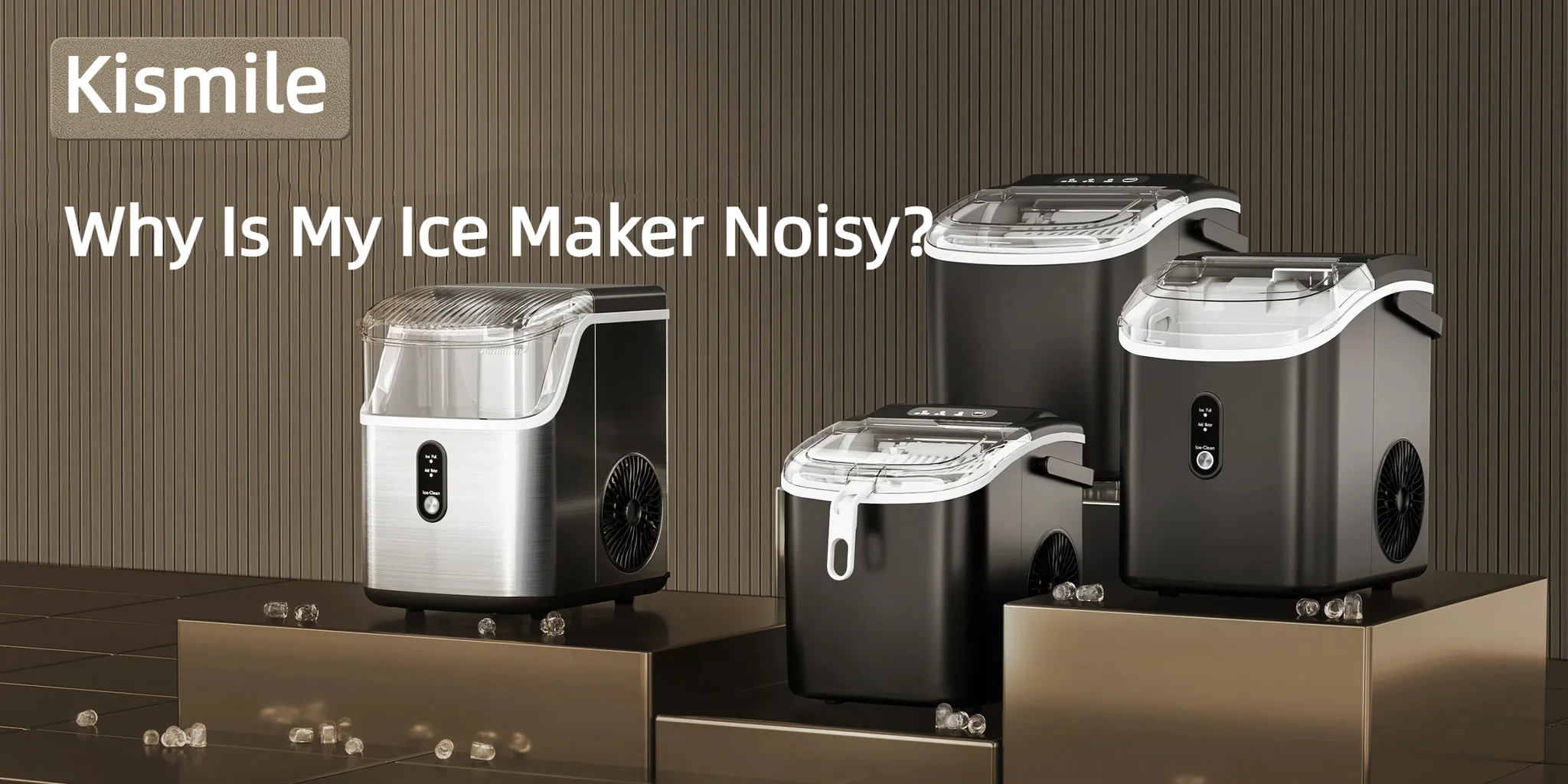
Why is My Ice Maker So Loud Anyway? Decoding the Sounds
Before we can fix the problem, we need to play detective. Different noises point to different culprits. An ice maker is a complex little machine with a pump, a compressor, a fan, and moving parts for harvesting ice. Understanding what’s happening inside is the first step in quieting it down.
That Constant Humming or Whirring Noise
A low, steady hum is usually the sound of the compressor and cooling fan doing their job. This is the heart of the refrigeration cycle. It’s perfectly normal, but if it suddenly gets louder or develops a rattling quality, something might be loose or obstructed. The fan could be hitting a stray wire or accumulating dust, forcing it to work harder and louder.
The Abrupt Clicking and Gurgling
Ever hear a sharp click followed by a gurgle or hissing? That’s typically the sound of the water inlet valve opening to fill the ice mold. It’s a necessary part of the process. However, if you hear repeated, rapid clicking or a loud “water hammer” thud, it could indicate a problem with water pressure or a failing valve.
The Big One: Crashing and Thudding
This is the sound that makes everyone jump. It’s the “harvest cycle,” where the finished ice is released from the mold and tumbles into the storage bin. While some noise is unavoidable here, an excessively loud crash can mean the bin is nearly empty, creating a long drop. Think of dropping one ice cube into an empty glass versus a full one—the acoustics are completely different.
Grinding, Squealing, or Scraping
These are the sounds you really need to pay attention to. A grinding or squealing noise often points to a problem with a motor, like the auger motor in a dispenser model or the sweep arm that pushes the ice out. It could also be caused by significant mineral buildup, forcing parts to strain and scrape against each other. Ignoring these sounds can lead to a more serious, and expensive, breakdown.
Your Action Plan: How to Reduce Ice Maker Noise Step-by-Step
Ready to reclaim your peace and quiet? Let’s work through these solutions, starting with the easiest fixes. You’d be surprised how often a simple adjustment is all it takes to solve the problem of a noisy machine.
- Level the Playing Field (Literally)An unlevel ice maker, whether it’s a countertop model or a full refrigerator, is a top cause of excess noise. The compressor and other moving parts are designed to operate on a flat surface. When tilted, they can vibrate against the machine’s frame, creating a blend of rattles and hums.
- How to fix it: Grab a spirit level. Place it on top of your ice maker. Adjust the unit’s feet (most have adjustable feet) until the bubble is perfectly centered. This simple, five-minute task can dramatically reduce ice maker noise.
- Check the Water LineFor ice makers connected to a water supply, the line itself can be a source of noise. A vibrating water line can knock against the wall or the back of the refrigerator.
- How to fix it: Gently pull the unit away from the wall and ensure the water line isn’t kinked or pressed tightly against anything. Make sure all connections are snug. If you suspect a “water hammer” issue (a loud bang when the valve shuts off), you can have a plumber install a water hammer arrestor.
- Perform a Thorough Deep CleanOver time, minerals from your water (lime, calcium) can build up on the internal components. This scale forces the pump to work harder (more noise) and can cause the ice to stick to the mold, making the harvest cycle much louder and more violent.
- How to fix it: Follow your manufacturer’s instructions for a cleaning cycle. This usually involves a mixture of water and either vinegar or a specialized ice maker cleaning solution. A clean machine is a quiet machine.
- Manage the Ice Levelthat loud crashing sound? An easy way to muffle it is to ensure the ice bin is never completely empty. A base layer of ice will cushion the fall of new cubes, absorbing much of the impact and noise. Don’t let it get overfilled either, as this can jam the shut-off arm and cause other noises.
- Add Some Strategic InsulationSometimes, the noise is just the nature of the machine, but you can still dampen it.
- For Countertop Models: Place the ice maker on a small, dense rubber or silicone mat. This will absorb vibrations that would otherwise transfer to your countertop, amplifying the sound.
- For Undercounter/Refrigerator Models: Ensure there is adequate space around the unit for air circulation. If it’s too tightly enclosed, the fan has to work overtime. You can also apply sound-dampening material to the inside of the surrounding cabinetry, but be careful not to block any vents.
Expert Tip: John Carter, a certified appliance technician with over 15 years of experience, shared a great tip with me. “Most people forget the fan blades,” he says. “Unplug the unit and gently wipe down the condenser fan blades with a damp cloth. A surprising amount of noise comes from an unbalanced fan due to dust buildup.”
- Know When to Call for BackupIf you’ve tried everything and you’re still hearing grinding, squealing, or extremely loud mechanical noises, it’s time to call a professional. These sounds could indicate a failing motor or compressor. Attempting a DIY fix on these components can be dangerous and may void your warranty. The cost of a service call is often much less than the cost of a new machine.
What If It’s Time for a Quieter Model?
Sometimes, an older machine is just inherently loud. If you’re in the market for a new ice maker and quiet operation is your top priority, here’s what to look for:
- Nugget Ice Makers: Often called “sonic ice” makers, these models are typically quieter. Instead of freezing water in a mold and then noisily breaking it free, they scrape ice flakes off a chilled cylinder and compress them into nuggets. This process is more continuous and generally less disruptive.
- Check the Decibel (dB) Rating: Some manufacturers are starting to list decibel ratings in their product specifications. For comparison, a quiet library is around 40 dB, while a normal conversation is about 60 dB. Look for models rated under 50 dB for whisper-quiet operation.
- Insulation is Key: High-end models often feature better insulation, which not only keeps the ice frozen longer but also significantly dampens the operational noise.
Frequently Asked Questions
Q: Is it normal for a brand-new ice maker to be loud?A: Yes, it can be. A new ice maker is often loudest during its first few cycles as the internal mechanisms settle and the refrigeration system gets up to speed. Give it 24 hours to normalize. If the excessive noise persists, contact the manufacturer.
Q: How can I make my refrigerator’s built-in ice maker quieter?A: All the steps above apply, especially leveling the refrigerator, checking the water line for vibration, and keeping the ice bin at least partially full to cushion falling ice. Regular cleaning to prevent scale buildup is also crucial for built-in models.
Q: What is the quietest type of ice?A: Generally, nugget ice makers are the quietest type of machine because their continuous compression process avoids the loud harvesting cycle of traditional cube makers.
Q: Can a water filter help reduce ice maker noise?A: Indirectly, yes. A good water filter can reduce the mineral content in your water, which slows the buildup of scale inside the machine. Less scale means parts move more freely and the pump doesn’t have to work as hard, resulting in quieter operation over time.
Q: How do I know if the compressor is the source of the noise?A: The compressor is part of the cooling system. The noise—usually a low hum or buzz—will come from the back or bottom of the unit and will cycle on and off as the machine works to maintain its temperature. If this hum becomes a loud, rattling buzz, the compressor’s mountings might be loose.
Your Path to a Quieter Home
You don’t have to live with a disruptive, noisy appliance. By taking the time to diagnose the sounds and work through these simple fixes, you can often solve the problem yourself. From leveling the unit to giving it a good cleaning, these small efforts can yield big results in your quest for a more peaceful home. And if it’s time for an upgrade, you’re now armed with the knowledge to choose a model that will serve you silently for years to come. Successfully learning how to reduce ice maker noise not only fixes a machine, it restores tranquility to your living space.
Frequently Asked Questions
Is it normal for a brand-new ice maker to be loud?
Yes, a new ice maker can be loud during its initial 24 hours of operation as internal mechanisms settle and the refrigeration system stabilizes. If excessive noise persists beyond this period, contact the manufacturer for assistance.
How can I make my refrigerator's built-in ice maker quieter?
To quiet a built-in ice maker, ensure the refrigerator is level, check the water line for vibrations, and keep the ice bin at least partially full to cushion falling ice. Regular cleaning to prevent mineral scale buildup is also essential for quieter operation.
What is the quietest type of ice maker?
Nugget ice makers are generally the quietest type of machine because their continuous compression process avoids the loud, abrupt harvesting cycle common in traditional cube makers. These models produce soft, chewable ice with less noise.
Can a water filter help reduce ice maker noise?
Indirectly, yes. A good water filter reduces mineral content, which slows scale buildup inside the machine. Less scale means components move more freely and the pump works less strenuously, leading to quieter operation over time.
How do I know if the compressor is the source of the noise?
The compressor, part of the cooling system, typically produces a low hum or buzz from the back or bottom of the unit, cycling on and off. If this hum becomes a loud, rattling buzz, it suggests the compressor's mountings might be loose and require inspection.
How to Reduce Ice Maker Noise
Follow these steps to diagnose and fix common causes of a noisy ice maker, from simple adjustments to professional intervention.
Place a spirit level on top of your ice maker. Adjust the unit's feet until the bubble is perfectly centered, ensuring the machine operates on a flat surface. This prevents vibrations that can cause rattling and humming.
Gently pull the ice maker away from the wall and inspect the water line. Ensure it is not kinked, pressed tightly against any surface, or vibrating. Tighten all connections to prevent 'water hammer' sounds.
Follow your manufacturer's instructions to run a cleaning cycle using water and vinegar or a specialized cleaning solution. This removes mineral buildup that can force the pump to work harder and make the harvest cycle louder.
Keep the ice bin at least partially full to cushion the fall of new ice cubes, which significantly reduces crashing sounds. Avoid overfilling, as this can jam the shut-off arm and create additional noise.
For countertop models, place the ice maker on a dense rubber or silicone mat to absorb vibrations. For built-in units, ensure adequate air circulation and consider applying sound-dampening material to surrounding cabinetry, avoiding vents.
Get our weekly buyer guide
Practical specs, not advice. Unsubscribe anytime.
My ice maker has been making this really annoying grinding sound lately. I followed the advice to clean the internal components, especially checking for mineral buildup. It helped a little, but the grinding is still there sometimes. I guess I might need to look into replacing a part if it keeps up.
I appreciate the breakdown of different noises. My commercial ice machine at the cafe started making a loud whirring noise, and I was worried it was a major issue. Turns out, the fan was just a bit dirty. A quick clean and it’s back to its usual quiet operation. Saved me a service call!
I was so frustrated with the constant humming from my under-counter ice maker. I tried the tip about leveling the unit, and it actually made a noticeable difference! It’s not completely silent, but the reduction in noise is a huge improvement. Definitely worth checking if your machine is sitting unevenly.
This was super helpful! My portable ice maker was getting so loud, and I thought it was just old. I tried managing the ice level in the bin as suggested, and it totally worked. It’s much quieter now, and I don’t have that disruptive clunking sound anymore. Simple fix, big impact!