Ever been there? It’s the hottest day of the year, you’ve got friends coming over, and you realize your freezer’s ice tray holds about eight sad, cloudy cubes. The frantic dash to the convenience store for a bag of ice is a familiar summer ritual for many. This exact scenario is what makes the idea of a personal ice maker so tempting. But before you jump in, it’s crucial to weigh the ice maker pros and cons. I’ve spent years tinkering with, testing, and even taking apart these machines, and I’m here to give you the real scoop so you can decide if one of these chilly companions is right for you.
So, Why Even Consider an Ice Maker?
Let’s be honest, the biggest “pro” is pure, unadulterated convenience. But it goes deeper than that. Owning a dedicated ice maker can genuinely upgrade your beverage game and hosting abilities.
- Unbeatable Convenience: Picture this: an endless supply of fresh ice, on-demand. No more filling and spilling flimsy trays. No more ice runs in the middle of a party. For families, frequent entertainers, or anyone who lives in a hot climate, this is a game-changer. It’s a small luxury that you quickly realize you can’t live without.
- Superior Ice Quality and Taste: Freezer ice often absorbs odors from nearby food (hello, onion-flavored ice cubes). Most dedicated ice makers, especially those with filters, produce clean, odorless, and tasteless ice. Many models can also create crystal-clear, slow-melting cubes that make your cocktails and whiskeys look and taste like they came from a high-end bar.
- Perfect for Entertaining: If you love hosting, a portable or undercounter ice maker is your new best friend. It can churn out pounds of ice per day, ensuring your guests’ drinks are always chilled and the beverage tub never runs dry. You’ll go from “ice-rationer” to “ice-provider” extraordinaire.
- Specialty Ice Types: Are you a fan of that soft, chewable “nugget” ice from your favorite fast-food joint? Or maybe you prefer elegant, slow-melting gourmet cubes? Many ice makers specialize in these specific types, something your standard freezer simply can’t do.
The Not-So-Cool Side: A Look at the Cons
Of course, it’s not all perfectly chilled bliss. The discussion of ice maker pros and cons wouldn’t be complete without looking at the downsides. These are the practical realities you need to consider.
- The Initial Cost: A decent ice maker isn’t cheap. Portable countertop models can start around one hundred dollars, while high-end undercounter or clear-ice units can run into the thousands. It’s an investment, and you need to decide if the convenience is worth the price tag.
- Ongoing Maintenance: This is the big one people forget. An ice maker is a water appliance, which means it needs regular cleaning to prevent mold, mildew, and mineral buildup (scale). A cleaning cycle every few weeks or months is non-negotiable for sanitary, good-tasting ice.
- It Takes Up Space: Whether it’s a chunk of your countertop or a dedicated spot under the bar, an ice maker requires real estate. In a small kitchen, that space can be precious. You have to be willing to sacrifice the counter space for the convenience.
- Noise and Heat: These machines contain a compressor and a fan, just like a mini-refrigerator. They will produce a low humming sound and generate some heat from the back or sides as they work. While most are relatively quiet, it’s not silent, and it’s something to be aware of if you’re sensitive to background noise.
What Are My Options? A Quick Rundown of Ice Maker Types
Not all ice makers are created equal. The right one for you depends entirely on your needs, space, and budget.
Portable Countertop Ice Makers
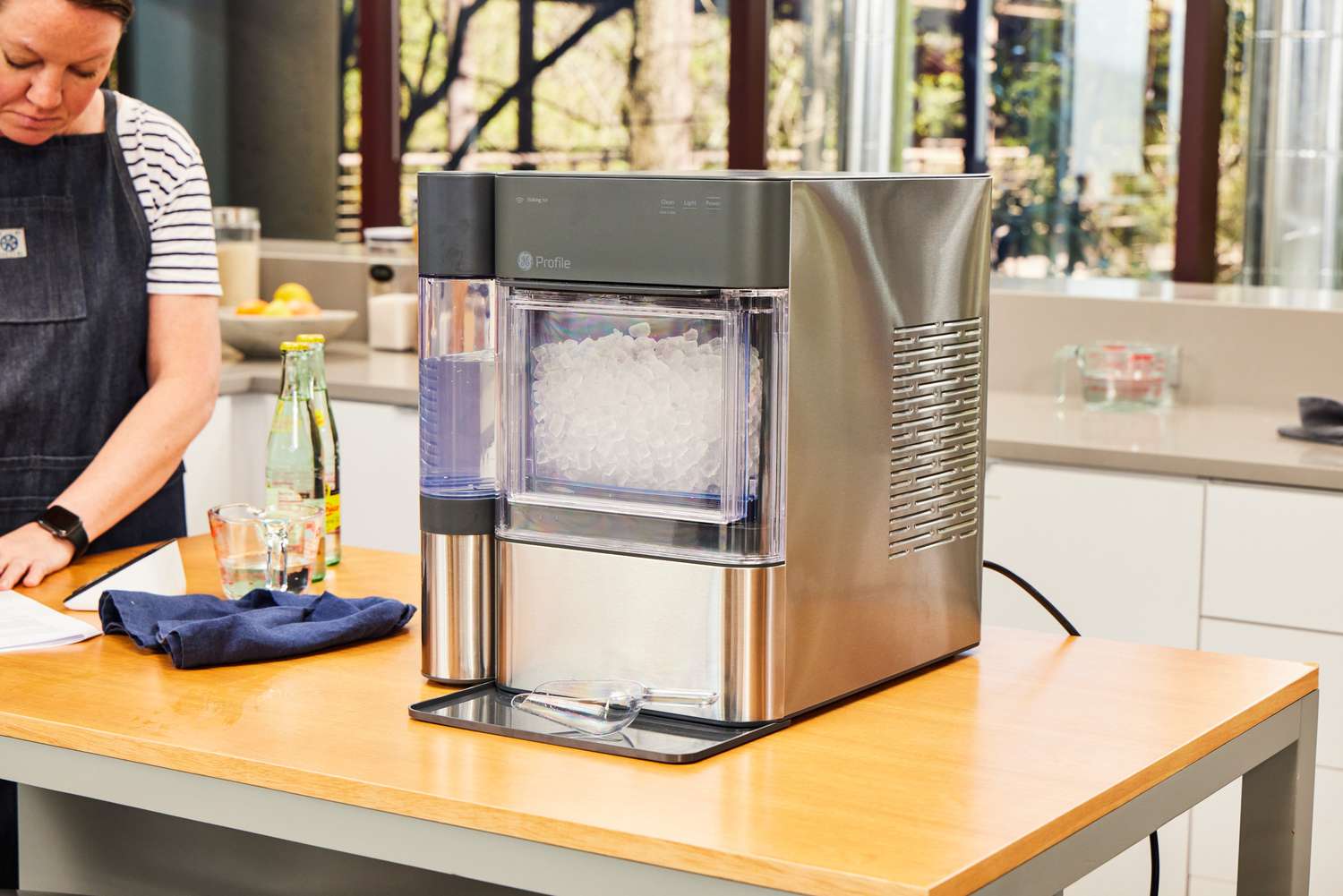
These are the most popular type for home use. You just plug it in, add water to the reservoir, and it starts making ice in minutes. They’re perfect for supplementing your freezer’s output, for parties, or for use in an RV or on a boat. They don’t require a dedicated water line, which is a huge plus for renters.
Undercounter Ice Makers
Think of these as a permanent, professional-grade solution. They install under a counter like a dishwasher and require a dedicated water line and drain. They produce large quantities of high-quality ice and are ideal for home bars, large families, or office kitchens. They’re a bigger investment but offer the ultimate in convenience.
Freezer and Refrigerator Ice Makers
This is the built-in unit that comes with many modern refrigerators. It’s incredibly convenient but often has a limited capacity and can be prone to jamming. The ice quality is typically standard crescent-shaped cubes, and as we mentioned, it can sometimes absorb freezer odors.
Key Features to Look For Before You Buy
When you start shopping, the specs can be overwhelming. Here’s what you should actually pay attention to:
- Production Capacity: Measured in pounds per 24 hours. A typical countertop model produces 25-35 lbs a day, which is plenty for most families. If you host huge parties, look for an undercounter unit that can produce 50 lbs or more.
- Bin/Storage Capacity: This is how much ice the machine can hold at one time. A portable unit might only hold 1-2 lbs, while an undercounter model can hold 25 lbs or more. Remember, most portable units are not freezers, so the ice will slowly melt if you don’t use it or move it to a freezer.
- Ice Type and Size: Do you want standard bullet-shaped cubes, clear gourmet cubes, or chewable nugget ice? Decide on your preference first, as this will narrow your options significantly. Some models even offer multiple cube sizes.
- Speed: How fast do you need ice? Most countertop models can produce their first batch in under 10 minutes, which is fantastic for last-minute needs.
- Water Source: Is a manual-fill reservoir okay, or do you need a model that can connect directly to a water line for continuous operation?
|
Our Picks for the Best Ice Maker in 2026
As an Amazon Associate, we earn from qualifying purchases.
|
||
| Num | Product | Action |
|---|---|---|
| 1 | EUHOMY Nugget Ice Makers Countertop, Pebble Ice Maker Machine with 35lbs/24H Soft Ice, Self-Cleaning Sonic Ice Maker with Ice Scoop&Basket, Pellet Ice Maker for Home/Kitchen/Office(Stainless Steels) |

|
| 2 | Ice Maker Countertop, 9 Cubes Ready in 6 Mins, 26 lbs per Day, Ice Machine with 2 Ice Sizes and Self-Cleaning, Portable Ice Maker with Handle for Home, Kitchen, Camping, RV, Office, Black |
|
| 3 | FRIGIDAIRE EFIC189-Silver Compact Ice Maker, 26 lb per Day, Silver |
|
| 4 | EUHOMY Nugget Ice Maker Countertop with Handle, Ready in 6 Mins, 34lbs Per Day, Removable Top Cover, Auto-Cleaning, Portable Sonic Ice Maker with Basket and Scoop, for Home/Party/RV/Camping (Black) |
|
| 5 | Nugget Ice Maker Countertop, Silonn Chewable Pellet Ice Machine with Self-Cleanin Function, 33lbs/24H Portable Ice Makers for Home Kitchen Officce, Black |
|
| 6 | FRIGIDAIRE EFIC128AMZBLK Compact Countertop Ice Maker, 26 lb per Day, Black |
|
| 7 | Silonn Ice Makers Countertop, 9 Cubes Ready in 6 Mins, 26lbs in 24Hrs, Self-Cleaning Ice Machine with Ice Scoop and Basket, 2 Sizes of Bullet Ice for Home Kitchen Office Bar Party, Sliver |
|
| 8 | Silonn Countertop Ice Maker, 9 Ice Cubes in 6 Mins, 26 Lbs in 24 Hrs, Compact Ice Machine with Ice Basket & Scoop, 2 Ice Sizes, Self-Cleaning Ice Maker for Home/Party/Office/Bar/Dorm, Black |
|
| 9 | Frigidaire 26 Lbs per Day Portable Compact Maker, Ice Making Machine, Black Stainless, Medium |
|
| 10 | Silonn Nugget Ice Maker Countertop, Pebble Ice Maker with Soft Chewable Ice, One-Click Operation Ice Machine with Self-Cleaning, 33lbs/24H for Home,Kitchen,Office |
|
How Do I Keep My Ice Maker From Getting Gross?
You absolutely must clean your ice maker regularly. It’s the single most important part of owning one. A dirty machine can harbor bacteria and produce ice that smells and tastes funky, completely defeating the purpose of buying one.
To clean your ice maker, you should typically follow the manufacturer’s instructions, but a general process involves running a specialized ice machine cleaning solution or a mixture of water and vinegar through the system, then rinsing it thoroughly.
“The biggest mistake I see people make is forgetting about scale,” says David Chen, a veteran appliance technician with over 20 years of experience. “If you have hard water, mineral deposits will build up inside, making the machine less efficient and affecting ice quality. Run a descaling solution through it every 3-6 months, and it’ll run like new for years.”
Here’s a basic cleaning checklist:
- Unplug the unit and empty any water and ice.
- Wipe down the interior with a soft cloth and a mild soap or vinegar solution.
- Fill the reservoir with an approved cleaning solution or a water/vinegar mix.
- Plug the unit in and run it through a full ice-making cycle (or use the “clean” function if it has one).
- Discard the ice that is made.
- Run 2-3 cycles with fresh, clean water to rinse out any remaining cleaning solution.
- Wipe it dry and you’re ready to go!
The Great Ice Debate: Cube vs. Nugget vs. Crescent
The shape of your ice matters more than you think! It affects how quickly your drink chills, how much it gets diluted, and even the overall experience.
Classic Cubes (or Bullet Ice)
This is what most countertop models produce. Bullet-shaped or small, slightly cloudy cubes are great all-rounders. They chill drinks effectively and are produced quickly. Clear, square cubes from high-end machines are denser, melt much slower, and are the choice for premium spirits.
Nugget Ice (a.k.a. “The Good Ice”)
Also called pebble or sonic ice, this is a cult favorite for a reason. It’s made by scraping and compacting ice flakes, resulting in a soft, chewable, porous texture. It absorbs the flavor of your drink and is perfect for sodas, iced coffees, and cocktails like a mint julep.
Crescent Ice
This is the C-shaped ice you get from most refrigerator ice makers. Its shape allows it to pack together loosely, so liquid flows over it easily. It’s a solid, no-frills option but tends to melt faster than dense cubes.
Frequently Asked Questions
How long does it take for an ice maker to make ice?
Most portable countertop ice makers can produce their first batch of ice in as little as 6 to 13 minutes. Undercounter models take longer to get started but then produce ice continuously.
Can I use tap water in my ice maker?
Yes, you can absolutely use tap water. However, if you have hard water, using filtered or distilled water will significantly reduce mineral buildup (scale) and result in clearer, better-tasting ice.
How often should I clean my ice maker?
It’s best practice to give it a deep clean every 3-6 months, or more often if you use it daily or have hard water. A quick wipe-down of the interior should be done every couple of weeks.
Do portable ice makers keep the ice frozen?
Most portable countertop models are not freezers. They are well-insulated, but the ice in the basket will slowly melt over time. The meltwater then returns to the reservoir to be made into new ice, so no water is wasted.
What are the biggest ice maker pros and cons for a family?
For a family, the biggest pro is the sheer convenience of having enough ice for everyone’s water bottles, sports drinks, and summer coolers. The biggest con is usually the maintenance; it becomes one more appliance that needs to be regularly cleaned to ensure it’s sanitary for your kids.
The Final Verdict
So, is an ice maker worth it? The answer truly comes down to your lifestyle. If you’re a frequent entertainer, live in a hot climate, or are just particular about your beverages, the convenience and quality can be a life-changing upgrade. You’ll never have to worry about running out of ice again. However, if you’re short on space, on a tight budget, or aren’t prepared for the regular cleaning routine, the hassle might outweigh the benefits.
By carefully considering these ice maker pros and cons, you can make an informed decision that fits your home and habits. Choose wisely, and you might just find that this simple appliance brings a surprising amount of joy and convenience to your daily life.
Get our weekly buyer guide
Practical specs, not advice. Unsubscribe anytime.