Hey there, ice enthusiast! Let’s talk about something that’s often overlooked until it’s too late: the inside of your ice maker. If you’ve ever poured a refreshing drink only to be met with a funky taste, you know what I’m talking about. Knowing How To Sanitize Ice Maker Tank components is not just about taste; it’s about health and keeping your machine running like a champ for years to come. I’ve spent years taking these machines apart and putting them back together, and trust me, what you can’t see can hurt your machine (and your cocktails). This guide isn’t just about cleaning, though. It’s your one-stop shop for everything you need to know, from picking the perfect machine to keeping it pristine.
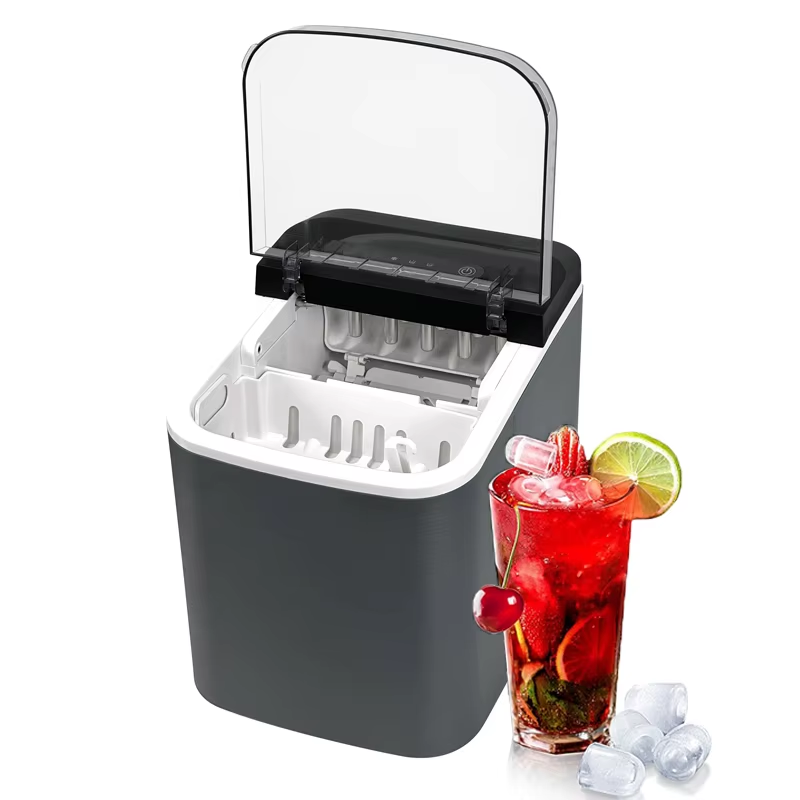
So, Why Do You Even Need a Standalone Ice Maker?
Let’s be real, the ice dispenser on your fridge is convenient, but it’s often slow, noisy, and can’t keep up when you’re entertaining. Ever hosted a summer BBQ and had to do the dreaded “ice run” midway through? An ice maker is the unsung hero of the modern home.
- Endless Supply: For parties, family gatherings, or just a really hot day, you’ll never run out of ice again.
- Better Quality Ice: We’re talking crystal-clear, slow-melting cubes or perfectly chewable nugget ice that soaks up your drink’s flavor. It’s a game-changer.
- Convenience: Whether it’s a portable unit for your boat or an undercounter model in your home bar, it’s ice exactly where you need it, when you need it.
I once had a client who bought a high-end portable ice maker for his fishing trips. He said the difference between using fresh, clean ice for his drinks and a bag of gas station ice was “like night and day.” That’s the kind of small luxury that makes a big difference.
The Most Common Types of Ice Makers
Before you can worry about cleaning a tank, you’ve got to pick a machine. The market is flooded with options, but they generally fall into three main categories.
Countertop (Portable) Ice Makers
These are the plug-and-play champs. You just add water to the reservoir, plug it in, and you’ll have your first batch of ice in under 10 minutes. They’re perfect for apartments, RVs, tailgating, or for anyone who doesn’t want to deal with installation. Their main drawback is capacity; they make ice fast, but they don’t store a lot of it.
Undercounter Ice Makers
Think of these as a mini-fridge dedicated to ice. They’re installed under your counter, usually in a kitchen or home bar, and require a dedicated water line and a drain. They produce large quantities of high-quality ice and are designed for serious entertainers or large families. While they’re a bigger investment, their performance is unmatched for home use.
Built-in Refrigerator Ice Makers
This is the type most people are familiar with. It’s built into your freezer. While convenient for daily use, they are notorious for being slow, breaking down, and imparting that weird “freezer taste” to your ice. This is often the catalyst that pushes people towards a dedicated machine.
Key Features to Look For Before You Buy
Shopping for an ice maker can feel a bit technical, but let’s break down what actually matters.
- Production Capacity: How much ice can it make in 24 hours? This is usually measured in pounds (or kilograms). A portable unit might make 26 lbs (12 kg), while an undercounter model can churn out 50 lbs (23 kg) or more.
- Ice Type: This is a bigger deal than you think!
- Bullet/Cube: The classic. Great all-rounders for drinks.
- Nugget (aka “Sonic” or “Chewable” Ice): Small, soft, chewable pellets. Amazing in sodas and cocktails.
- Clear/Gourmet: Hard, clear, slow-melting cubes that look incredible in a glass of whiskey.
- Bin Capacity: How much ice can the machine hold at one time? A larger bin means you don’t have to empty it as often.
- Materials & Durability: Look for stainless steel exteriors for longevity and easy cleaning. For internal parts, BPA-free plastic is a must.
- Water Source: Does it use a manual-fill reservoir (like portable models) or a direct water line?
|
Our Picks for the Best Ice Maker in 2026
As an Amazon Associate, we earn from qualifying purchases.
|
||
| Num | Product | Action |
|---|---|---|
| 1 | EUHOMY Nugget Ice Maker Countertop with Handle, Ready in 6 Mins, 34lbs Per Day, Removable Top Cover, Auto-Cleaning, Portable Sonic Ice Maker with Basket and Scoop, for Home/Party/RV/Camping (Black) |

|
| 2 | Silonn Countertop Ice Maker, 9 Ice Cubes in 6 Mins, 26 Lbs in 24 Hrs, Compact Ice Machine with Ice Basket & Scoop, 2 Ice Sizes, Self-Cleaning Ice Maker for Home/Party/Office/Bar/Dorm, Black |
|
| 3 | Silonn Ice Makers Countertop, 9 Cubes Ready in 6 Mins, 26lbs in 24Hrs, Self-Cleaning Ice Machine with Ice Scoop and Basket, 2 Sizes of Bullet Ice for Home Kitchen Office Bar Party, Sliver |
|
| 4 | Frigidaire 26 Lbs per Day Portable Compact Maker, Ice Making Machine, Black Stainless, Medium |
|
| 5 | FRIGIDAIRE EFIC128AMZBLK Compact Countertop Ice Maker, 26 lb per Day, Black |
|
| 6 | EUHOMY Nugget Ice Makers Countertop, Pebble Ice Maker Machine with 35lbs/24H Soft Ice, Self-Cleaning Sonic Ice Maker with Ice Scoop&Basket, Pellet Ice Maker for Home/Kitchen/Office(Stainless Steels) |
|
| 7 | Ice Maker Countertop, 9 Cubes Ready in 6 Mins, 26 lbs per Day, Ice Machine with 2 Ice Sizes and Self-Cleaning, Portable Ice Maker with Handle for Home, Kitchen, Camping, RV, Office, Black |
|
| 8 | FRIGIDAIRE EFIC189-Silver Compact Ice Maker, 26 lb per Day, Silver |
|
| 9 | Nugget Ice Maker Countertop, Silonn Chewable Pellet Ice Machine with Self-Cleanin Function, 33lbs/24H Portable Ice Makers for Home Kitchen Officce, Black |
|
| 10 | Silonn Nugget Ice Maker Countertop, Pebble Ice Maker with Soft Chewable Ice, One-Click Operation Ice Machine with Self-Cleaning, 33lbs/24H for Home,Kitchen,Office |
|
The Nitty-Gritty: How to Sanitize Ice Maker Tank and Components
Alright, this is the main event. You’ve got your machine, you love it, but now it’s time for some TLC. You should aim to do this every 3-6 months, or more often if you have hard water. Neglecting this is the number one reason for machine failure and funky-tasting ice.
Here’s a step-by-step guide that works for most consumer-grade ice makers, especially portable ones. Always check your user manual first, as some manufacturers have specific recommendations.
- Safety First! Unplug Everything. Before you introduce any liquid or cleaning tools, completely disconnect the ice maker from its power source.
- Empty It Out. Remove any remaining ice from the bin and discard it. Drain all the water from the reservoir. Most units have a small drain plug on the bottom or side.
- Prepare Your Cleaning Solution. You have a few options here:
- Vinegar Solution (The DIY Favorite): Mix a solution of 1 part white vinegar to 10 parts warm water.
- Lemon Juice Solution: Similar to vinegar, a diluted lemon juice solution can also work and leaves a fresher scent.
- Commercial Ice Maker Cleaner: For a deeper clean, especially if you have mineral buildup (limescale), a dedicated cleaner is your best bet. Follow the instructions on the bottle precisely.
- Wipe Down the Interior. Dip a soft cloth or sponge into your cleaning solution and thoroughly wipe down the inside of the water reservoir and the ice bin. Get into all the corners and crevices where mold and slime love to hide.
- Run a Cleaning Cycle. Fill the reservoir with your chosen cleaning solution. Plug the machine back in and run a full ice-making cycle. This circulates the solution through all the internal lines and components that you can’t reach.
- Discard the “Cleaning Ice”. The ice produced during this cycle will be made from the cleaning solution. Do not consume it. Discard the entire batch.
- Rinse, Rinse, Rinse! This is the most important step. Drain the cleaning solution completely. Fill the reservoir with fresh, clean water and run at least 2-3 full ice-making cycles, discarding the ice each time. This ensures all traces of the cleaning solution are flushed out. No one wants a vinegary cocktail.
- Final Wipe and Dry. Unplug the machine again. Use a clean, dry cloth to wipe down the interior. Leave the lid or door open for an hour or so to allow everything to air dry completely before you start making ice for consumption again.
According to John Carter, a certified appliance technician with over 20 years of experience, “People constantly confuse sanitizing with descaling. Sanitizing, with vinegar or a light solution, kills bacteria and mold. Descaling uses a stronger, often acidic solution to break down mineral deposits from hard water. You need to do both, but sanitizing should happen more frequently to keep your ice tasting pure.”
What’s the Difference Between Sanitizing and Descaling?
That’s a fantastic question. Think of it like this:
- Sanitizing: This process targets organic stuff—bacteria, mold, and mildew. It’s what we just did with the vinegar/cleaner solution. It keeps your ice healthy.
- Descaling: This process targets mineral buildup, also known as scale or limescale. If you see chalky white residue inside your machine, that’s scale from hard water. You need a dedicated descaling solution to dissolve it. Scale can clog water lines and damage your machine over time.
Quick Tips for Common Ice Maker Problems
- My ice tastes weird! 99% of the time, this means it’s time to clean your machine. Follow the steps above on how to sanitize ice maker tank. Also, make sure you’re using filtered water for the best results.
- It’s not making ice! Check the basics first: Is it plugged in? Is there water in the reservoir? Is the water line blocked? Sometimes the ice sensor is dirty or blocked, so give it a gentle wipe.
- My ice cubes are small or cloudy. This is often a sign of a clogged water line or mineral buildup. It’s time to run a descaling cycle. Using filtered or distilled water can prevent this.
Frequently Asked Questions (FAQ)
Q: How often should I sanitize my ice maker tank?
A: A good rule of thumb is every 3 to 6 months. However, if you use your ice maker daily or have hard water, you might want to clean it every 2 months. The best indicator is if you notice any off-taste or smell in your ice.
Q: Can I use bleach to clean my ice maker?
A: While a very heavily diluted bleach solution can be used, I generally advise against it for home use. It’s harsh, can damage some plastic components if mixed too strongly, and is very difficult to rinse out completely. Stick to vinegar, lemon juice, or a cleaner specifically designed for ice makers.
Q: Why is my portable ice maker making a loud noise?
A: Most ice makers have a normal hum from the compressor and fan. However, if you hear loud grinding or squealing, it could be a sign of scale buildup on moving parts or a problem with the motor. First, try a thorough cleaning and descaling cycle. If the noise persists, it may need professional service.
Q: Is “nugget” ice really worth the extra cost?
A: It’s all about personal preference! People who love nugget ice are passionate about it. It’s softer, chewable, and absorbs the flavor of your drink. If you love fountain drinks from places like Sonic, you’ll probably feel it’s worth it. For others, standard bullet or cube ice is perfectly fine.
Q: Can I leave my portable ice maker running all the time?
A: You can, but it’s not very energy-efficient. Most portable ice makers are not freezers, so the ice in the bin will slowly melt. The melted water then goes back into the reservoir to be made into new ice. It’s best to make a batch of ice, then transfer it to your freezer for storage and turn the machine off.
The Final Scoop
Owning a dedicated ice maker can genuinely elevate your daily life and your ability to host friends and family. It’s a small appliance that delivers a huge return in convenience and quality. But like any piece of equipment, it needs a little care to perform its best. By understanding the basics of how they work and, most importantly, learning how to sanitize ice maker tank properly, you ensure every drink you pour is fresh, clean, and delicious. So go ahead, make that informed purchase, and enjoy the endless supply of perfect ice you deserve.