A reliable ice maker for restaurants and cafes is essential for beverage service, preventing ice shortages, reducing costs, and ensuring consistent quality. Commercial ice machines offer significant advantages over bagged ice, including cost-effectiveness, improved hygiene, and 24/7 ice availability, which boosts operational efficiency during peak hours. Investing in the right machine ensures your business maintains smooth service and customer satisfaction.
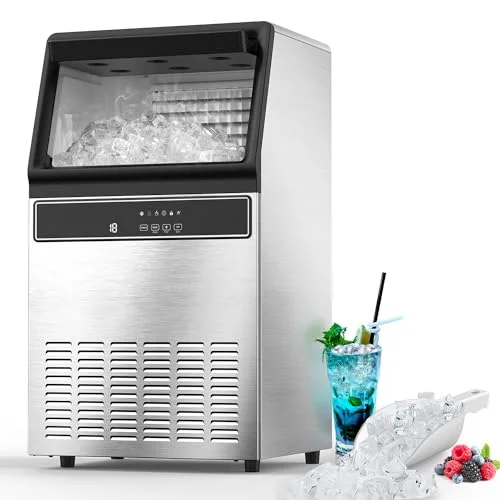
Why Your Business Absolutely Needs a Commercial Ice Maker
If you’re still on the fence, let’s talk brass tacks. Relying on bagged ice is a short-term fix with long-term problems. It’s expensive, inconsistent, and let’s be honest, a logistical pain. A dedicated commercial ice maker for restaurants and cafes solves these issues and then some. For compare top ice maker on this site.
- Cost-Effectiveness: The initial investment might seem steep, but do the math. The cost of producing your own ice is a tiny fraction of buying it by the bag. Over a year, the machine will pay for itself and start saving you serious money.
- Consistency and Quality: You control the quality. By using filtered water, you can produce clear, tasteless, and odorless ice that won’t ruin the flavor of your signature cocktails or iced coffees. No more “freezer taste.”
- Convenience and Efficiency: Ice on demand, 24/7. Your staff can focus on serving customers, not running to the store. This boosts workflow efficiency, especially during peak hours.
- Hygiene and Safety: Commercial ice machines are designed to meet health codes. They reduce the handling of ice, minimizing the risk of contamination compared to scooping from a freezer or a bag.
What Are the Main Types of Commercial Ice Makers?
Not all ice machines are created equal. The right type for you depends on your space, volume, and how you plan to use the ice. Let’s break down the big three.
Undercounter Ice Makers
These are the compact champions of the ice world. Designed to fit neatly under a standard 40-inch bar or counter, they’re a fantastic all-in-one solution for small cafes, bars, or service stations. They have a built-in storage bin, making them a self-contained unit.
- Best for: Businesses with limited space and moderate ice needs (typically 50 to 300 lbs per day).
- Keep in mind: Their production capacity and storage are limited. If you have a sudden rush, you might run low.
Modular Ice Machines
These are the heavy hitters. A modular unit is just the ice-making “head.” You pair it with a separate storage bin of your choosing. This mix-and-match approach gives you incredible flexibility.
- Best for: High-volume restaurants, large bars, and any establishment that cannot afford to run out of ice. They can produce anywhere from 250 lbs to over 2000 lbs of ice daily.
- Keep in mind: They require more space (both vertically and horizontally) and are a larger initial investment. You need to purchase the head and the bin.
Countertop Ice Maker Dispensers
|
Our Picks for the Best Ice Maker in 2026
As an Amazon Associate, we earn from qualifying purchases.
|
||
| Num | Product | Action |
|---|---|---|
| 1 | Frigidaire 26 Lbs per Day Portable Compact Maker, Ice Making Machine, Black Stainless, Medium |

|
| 2 | FRIGIDAIRE EFIC189-Silver Compact Ice Maker, 26 lb per Day, Silver |
|
| 3 | Nugget Ice Maker Countertop, Silonn Chewable Pellet Ice Machine with Self-Cleanin Function, 33lbs/24H Portable Ice Makers for Home Kitchen Officce, Black |
|
| 4 | EUHOMY Nugget Ice Maker Countertop with Handle, Ready in 6 Mins, 34lbs Per Day, Removable Top Cover, Auto-Cleaning, Portable Sonic Ice Maker with Basket and Scoop, for Home/Party/RV/Camping (Black) |
|
| 5 | Silonn Nugget Ice Maker Countertop, Pebble Ice Maker with Soft Chewable Ice, One-Click Operation Ice Machine with Self-Cleaning, 33lbs/24H for Home,Kitchen,Office |
|
| 6 | EUHOMY Nugget Ice Makers Countertop, Pebble Ice Maker Machine with 35lbs/24H Soft Ice, Self-Cleaning Sonic Ice Maker with Ice Scoop&Basket, Pellet Ice Maker for Home/Kitchen/Office(Stainless Steels) |
|
| 7 | Silonn Countertop Ice Maker, 9 Ice Cubes in 6 Mins, 26 Lbs in 24 Hrs, Compact Ice Machine with Ice Basket & Scoop, 2 Ice Sizes, Self-Cleaning Ice Maker for Home/Party/Office/Bar/Dorm, Black |
|
| 8 | FRIGIDAIRE EFIC128AMZBLK Compact Countertop Ice Maker, 26 lb per Day, Black |
|
| 9 | Ice Maker Countertop, 9 Cubes Ready in 6 Mins, 26 lbs per Day, Ice Machine with 2 Ice Sizes and Self-Cleaning, Portable Ice Maker with Handle for Home, Kitchen, Camping, RV, Office, Black |
|
| 10 | Silonn Ice Makers Countertop, 9 Cubes Ready in 6 Mins, 26lbs in 24Hrs, Self-Cleaning Ice Machine with Ice Scoop and Basket, 2 Sizes of Bullet Ice for Home Kitchen Office Bar Party, Sliver |
|
Perfect for self-service stations. You’ve probably seen these in hotel lobbies or cafeterias. They both make and dispense ice (and often water) directly into a cup with the push of a button or lever.
- Best for: Quick-service restaurants, employee break rooms, or healthcare facilities where sanitary dispensing is a priority.
- Keep in mind: They generally have lower production capacities and are designed for dispensing, not for filling up a bartender’s ice well.
Key Features to Consider When Buying an Ice Maker for Restaurants and Cafes
Okay, you know the type you need. Now, let’s get into the nitty-gritty details that separate a good machine from a great one.
- Production Capacity: This is the most critical factor. It’s measured in pounds of ice produced per 24 hours. A good rule of thumb for a restaurant is to estimate 1.5 lbs of ice per customer. For a bar, it’s closer to 3 lbs per customer, as almost every drink requires ice. Always overestimate your needs slightly. It’s better to have too much ice than too little.
- Cooling System:
- Air-Cooled: The most common and affordable type. It uses a fan to dissipate heat, just like a refrigerator. It needs a few inches of clearance on all sides for proper airflow.
- Water-Cooled: More efficient and quieter than air-cooled models. It uses water to cool the condenser. It’s ideal for hot kitchens or tight spaces with poor ventilation, but it will increase your water bill.
- Remote-Cooled: The condenser unit is installed separately (often outdoors), making the ice machine itself virtually silent and keeping excess heat out of your kitchen. This is a premium option for specialized setups.
- Drainage: Ice machines produce water runoff from melting ice. You need a floor drain. If you don’t have one conveniently located, you’ll need a model with a built-in drain pump to move the water to a distant drain. Don’t overlook this! It’s a common installation headache.
- Certifications: Look for two key logos:
- NSF (National Sanitation Foundation): This means the machine is certified for commercial food service, meeting strict standards for hygiene and cleanability. This is non-negotiable for most health departments.
- ENERGY STAR: This indicates the machine is energy-efficient, saving you money on your electricity bill over its lifetime.
Let’s Talk Ice: Cube vs. Nugget vs. Crescent
The shape of your ice matters more than you think! It affects drink displacement, melting rate, and even the customer’s experience.
| Ice Type | Description | Best For | Why? |
|---|---|---|---|
| Full Cube / Dice | A classic, solid square. Melts slowly. | Cocktails, high-end spirits, bagged ice. | Its slow melt rate minimizes drink dilution, preserving the flavor of premium liquors. |
| Half Cube / Half Dice | Smaller, rectangular version of the full cube. | High-volume beverage service, sodas, blended drinks. | Packs tightly in a glass, cools drinks quickly, and works well in blenders. The most versatile option. |
| Nugget / Pellet | Soft, chewable, and porous. | Sodas, therapeutic uses, smoothies. | Absorbs the flavor of the drink and is a customer favorite for its chewable texture. Cools beverages very fast. |
| Gourmet / Top Hat | Unique, often octagonal or cylindrical shape. Very clear and dense. | Upscale bars, fine dining, special events. | Looks beautiful in a glass and melts incredibly slowly, making it the ultimate choice for craft cocktails. |
As a veteran commercial kitchen consultant, David Chen, always says, “Business owners focus on the machine’s price, but they should be focusing on the maintenance cost. A clean ice maker for restaurants and cafes is an efficient and long-lasting one. Neglect it, and you’ll be buying a new one sooner than you think.”
Basic Maintenance to Keep Your Machine Running Smoothly
Your ice maker is a workhorse, but it needs a little TLC. Regular cleaning prevents scale buildup, slime, and mold, ensuring you’re serving safe, clean ice.
- Daily Check: Wipe down the exterior. Check the scoop and make sure it’s stored in a clean, sanitary place (not in the ice bin!).
- Weekly Check: Empty the bin and wipe it down with a food-safe sanitizer. Check the air filter (if it’s an air-cooled model) and clean it if it’s dusty.
- Bi-Annual Deep Clean: This is crucial. Every 6 months, you should perform a full cleaning and descaling cycle using solutions specifically designed for ice machines. This involves cleaning the water system to remove mineral buildup (scale) and sanitizing it to kill any bacteria or slime. Always follow the manufacturer’s specific instructions for your model.
- Change the Water Filter: Your water filter should be replaced every 6 months, or as recommended by the manufacturer. This is your first line of defense against bad-tasting ice and scale buildup.
Frequently Asked Questions (FAQ)
Q: How do I know what size ice maker my restaurant needs?
A: A simple formula is to estimate 1.5 lbs of ice per meal served, plus about 3 lbs per seat for bar service. For a cafe, estimate about 1 lb per customer. When in doubt, it’s always better to size up by about 20% to handle unexpected busy periods.
Q: What does NSF-certified mean for an ice machine?
A: NSF certification means the National Sanitation Foundation has tested and approved the ice machine for use in a commercial food environment. It ensures the materials and design are easy to clean and resist bacterial growth, which is often a requirement by local health departments.
Q: Can I install a commercial ice maker myself?
A: While it’s possible, we highly recommend professional installation. An ice maker for restaurants and cafes requires proper water lines, electrical connections, and drainage. An incorrect installation can void your warranty and cause serious water damage or performance issues.
Q: How often should I professionally service my ice machine?
A: Besides your regular cleaning, it’s a great idea to have a qualified refrigeration technician service the machine once a year. They can check refrigerant levels, clean the condenser coils thoroughly, and catch any potential mechanical issues before they become major problems.
Q: Why is my ice maker making small or cloudy ice?
A: This is most often caused by a clogged water filter or significant mineral buildup (scale) in the machine. Start by changing the water filter. If that doesn’t work, the machine likely needs a thorough descaling and cleaning cycle.
Your Partner in a Cool, Profitable Business
Choosing the right ice maker for restaurants and cafes is a major decision, but it’s an investment that pays dividends in efficiency, quality, and profitability. By considering your daily volume, available space, and the type of ice that best suits your menu, you can select a machine that will be a reliable partner for years to come. Don’t let an ice shortage ever disrupt your service again. Armed with this knowledge, you’re ready to make a smart, informed choice that will keep your business running smoothly and your customers’ drinks perfectly cold.
Frequently Asked Questions
How do I determine the right size ice maker for my restaurant?
To size an ice maker, estimate 1.5 lbs of ice per meal served for a restaurant, and about 3 lbs per seat for bar service. For cafes, estimate 1 lb per customer. It is always recommended to size up by approximately 20% to accommodate unexpected busy periods and ensure you never run out of ice.
What does NSF certification mean for a commercial ice machine?
NSF certification indicates that the National Sanitation Foundation has tested and approved the ice machine for commercial food service environments. This certification ensures the machine's materials and design meet strict standards for hygiene and cleanability, which is often a requirement by local health departments to prevent bacterial growth.
Is it possible to install a commercial ice maker without professional help?
While it might seem possible, professional installation is highly recommended for a commercial ice maker. These machines require precise water lines, electrical connections, and drainage setups. Incorrect installation can void your warranty, lead to serious water damage, or cause significant performance issues.
How often should a commercial ice machine receive professional servicing?
Beyond regular cleaning, it is advisable to have a qualified refrigeration technician service your commercial ice machine once a year. During this service, they can check refrigerant levels, thoroughly clean condenser coils, and identify potential mechanical issues before they escalate into major problems, ensuring longevity and efficiency.
What causes an ice maker to produce small or cloudy ice?
Small or cloudy ice is typically caused by a clogged water filter or significant mineral buildup (scale) within the machine. Begin by replacing the water filter. If the issue persists, the machine likely requires a thorough descaling and cleaning cycle to remove mineral deposits and restore proper ice production.
Maintain Your Commercial Ice Maker
Regular maintenance is crucial for the longevity and efficiency of your commercial ice maker, ensuring safe and clean ice production.
Wipe down the exterior of the ice maker daily. Ensure the ice scoop is clean and stored in a sanitary location, not left inside the ice bin, to prevent contamination.
Empty the ice bin and wipe it down thoroughly with a food-safe sanitizer once a week. For air-cooled models, check the air filter and clean any accumulated dust to maintain proper airflow.
Every six months, perform a full cleaning and descaling cycle using solutions specifically designed for ice machines. This process removes mineral buildup and sanitizes the water system to eliminate bacteria and slime. Always follow the manufacturer's instructions for your specific model.
Change your water filter every six months, or as recommended by the manufacturer. This is the primary defense against bad-tasting ice and prevents scale buildup, which can impact machine performance and ice quality.
Get our weekly buyer guide
Practical specs, not advice. Unsubscribe anytime.
We finally bit the bullet and got a commercial ice maker for our cafe, and it’s been a game-changer. The post really hit home about the cost-effectiveness compared to bagged ice. We were spending a fortune, and now we always have enough, even during our busiest lunch rushes. It’s made such a difference in our daily operations.
I appreciated the breakdown of different types of ice makers. We run a small bistro and needed something reliable for consistent quality. The 24/7 ice availability mentioned is no joke; it’s a huge relief not to worry about running out anymore. Our old machine was always breaking down, so this upgrade was much needed.
The hygiene aspect of commercial machines is definitely a plus, and that’s why we invested. However, I wish the post had touched a bit more on the installation process. It was a bit more involved than we anticipated for our specific restaurant setup, and we had to hire a professional, which added to the initial cost. Still, the ice quality is great.
Our bar goes through so much ice, and relying on bagged ice was a logistical nightmare, just like the article said. Getting a dedicated commercial ice maker has seriously boosted our operational efficiency. We never have to send someone out for ice runs anymore, and our bartenders are much happier. Best investment we’ve made this year.