Hey there, ice enthusiast! Welcome to Ice Maker Best, your go-to spot for everything related to the wonderful world of ice. Let’s talk about something a little less glamorous but incredibly important. You reach for that perfect, frosty cube to drop into your drink, and you spot it: a tiny, unwelcome black speck. Your heart sinks. That, my friend, is often the first sign of a mold problem. Learning How To Prevent Mold In Ice Maker units isn’t just about clean-looking ice; it’s about the health and safety of your family. Don’t worry, I’ve seen it all, and I’m here to walk you through exactly how to tackle this issue and make sure it never comes back.
Keeping your machine in top shape is crucial for its longevity. This proactive approach is the absolute best way to keep things running smoothly, forming the foundation of how to maintain ice maker long term and ensuring you never have to deal with a moldy crisis again.
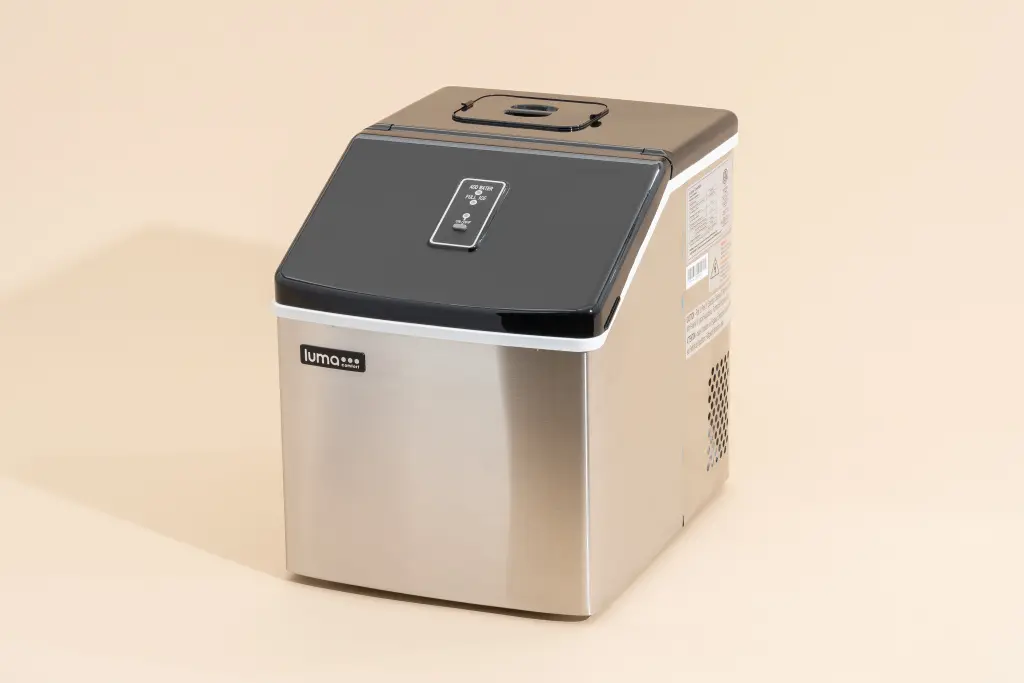
Why Does Mold Grow in an Ice Maker Anyway?
Before we dive into the “how,” let’s quickly cover the “why.” It might seem strange that something designed to be cold could grow mold, right? Well, an ice maker is actually the perfect storm for mold and mildew to thrive. Think about it:
- Constant Moisture: The very nature of making ice means there’s always water and condensation present.
- Darkness: The inside of your ice maker is a dark, enclosed space, which mold absolutely loves.
- Organic Matter: Tiny particles from your water source or even the air can settle inside the machine, providing “food” for mold spores to grow.
It’s a common misconception that the freezing temperatures will kill off everything. While the cold can make mold dormant, the non-freezing parts of your machine, like the water reservoir and internal tubing, stay at a temperature that’s a perfect breeding ground.
Your Step-by-Step Deep Cleaning Protocol
If you’ve already spotted signs of mold, it’s time for a deep clean. If not, doing this every 3-6 months is the best preventative medicine. Grab some gloves, and let’s get to work.
- Safety First: Unplug Everything! Before you do anything else, unplug your ice maker from the wall. If it’s a built-in unit connected to a water line, turn off the water supply valve as well. No shortcuts here.
- Empty It Out: Remove the ice bin and discard all the ice. Yes, all of it. Then, drain any water left in the reservoir.
- Create Your Cleaning Solution: You have a few options here, but my go-to is a simple and effective one.
- Vinegar Solution: Mix a solution of 10 parts water to 1 part white vinegar. It’s acidic enough to kill mold and break down mineral deposits but is food-safe.
- Lemon Juice Solution: A similar 10:1 ratio with lemon juice works well and can leave a fresher scent, though vinegar is slightly more potent.
- Commercial Cleaner: You can also buy a dedicated, nickel-safe ice machine cleaner. Always check your user manual first, as some manufacturers have specific recommendations.
- Scrub-a-Dub-Dub: Use a soft cloth or sponge soaked in your cleaning solution to wipe down every single surface you can reach. This includes the ice bin, the inside walls of the machine, the water reservoir, and any removable parts. For hard-to-reach areas and tubing, a bottle brush is your best friend.
- Rinse Thoroughly: This step is crucial. You don’t want your next batch of ice tasting like vinegar. Rinse all the parts you scrubbed with clean water. You may need to wipe the interior several times with a damp, clean cloth to remove all traces of the cleaning solution.
- Dry It Completely: Use a clean, dry towel to wipe everything down, then leave the door or lid open and let the machine air dry for at least a few hours. Moisture is the enemy, so be patient.
- Run a Cleaning Cycle (and Discard): Once everything is reassembled, plug the machine back in and turn on the water. Fill the reservoir with clean water (or the cleaning solution if your machine has a “Clean” cycle) and run two or three ice-making cycles. Throw away the ice from these first few batches. This flushes out any remaining residue from the system.
The Ultimate Guide on How to Prevent Mold in Ice Maker Units
Okay, the machine is sparkling clean. Now, how do we keep it that way? Prevention is all about simple, consistent habits.
Make a Regular Cleaning Schedule
The number one rule for how to prevent mold in ice maker units is consistency. Mark it on your calendar.
- Monthly: Do a quick wipe-down of the ice bin and interior with a vinegar solution.
- Quarterly: Perform the full deep-cleaning protocol detailed above.
Use Filtered Water
Tap water can contain minerals and organic matter that contribute to buildup and provide food for mold. Using filtered water not only results in clearer, better-tasting ice but also keeps your machine’s interior cleaner for longer. If your ice maker has a built-in filter, be sure to change it according to the manufacturer’s schedule.
Promote Good Airflow
This applies to both countertop and under-counter models. Ensure there’s at least a few inches of space around the unit’s vents. Proper ventilation helps reduce condensation on the machine’s exterior and internal components, making the environment less hospitable for mold.
“I can’t tell you how many service calls I’ve been on where the root cause of recurring mold was simply a lack of routine maintenance. People often forget the water line and the small, hidden components. A simple bottle brush and a monthly vinegar rinse can prevent 90% of the problems I see.”
— John Carter, Certified Appliance Technician
Leave the Door or Lid Ajar When Not in Use
If you have a portable countertop ice maker and you’re going away for a few days, empty it, dry it, and leave the lid slightly open. This allows air to circulate and ensures any residual moisture evaporates completely.
A well-maintained machine isn’t just a clean one; it’s often a quieter one too. Buildup can cause parts to work harder, which can create extra sounds. For those particularly interested in a quieter appliance, you might find our guide on how to reduce ice maker noise provides some useful insights.
Frequently Asked Questions (FAQ)
Here are some of the most common questions I get about keeping ice makers clean and mold-free.
How often should I clean my ice maker to prevent mold?
A quick wipe-down should be done monthly, with a full deep clean performed every 3-6 months. If you live in a humid area or use your ice maker very heavily, you might want to do the deep clean more frequently, perhaps every 2-3 months.
Can I use bleach to clean my ice maker?
While a very diluted bleach solution (1 teaspoon of bleach per gallon of water) can be used to sanitize a severe mold problem, it should be a last resort. It’s harsh on machine parts and must be rinsed out extremely thoroughly to be safe. Vinegar or a manufacturer-approved cleaner are much safer first choices.
Is it safe to use ice from a moldy ice maker?
No, it is not recommended. Consuming mold can cause allergic reactions or respiratory issues in sensitive individuals. If you see mold, discard all the ice and do not use the machine again until it has been completely cleaned and sanitized.
Why does my ice taste bad even after cleaning?
This is usually due to one of two things: either you didn’t rinse the cleaning solution out thoroughly enough, or the machine’s water filter needs to be replaced. Run a few more rinse cycles with plain water, and if the taste persists, check and change your water filter.
Does the type of water I use really affect mold growth?
Absolutely. Hard water with high mineral content leaves behind scale deposits, which can trap moisture and organic particles, creating a rough surface where mold can easily take hold. Using filtered or distilled water is one of the best preventative measures you can take.
Your Ice, Your Health: A Final Word
At the end of the day, an ice maker is a fantastic convenience, delivering an endless supply of perfect ice for your beverages. But like any appliance that handles food and water, it requires a little bit of care. Mastering how to prevent mold in ice maker systems is a simple skill that pays huge dividends in peace of mind and, most importantly, in the health and safety of your household.
By following a simple, regular cleaning routine, you ensure that every cube you use is as pure and refreshing as it was meant to be. Now, go enjoy that crystal-clear, worry-free ice! You’ve earned it.