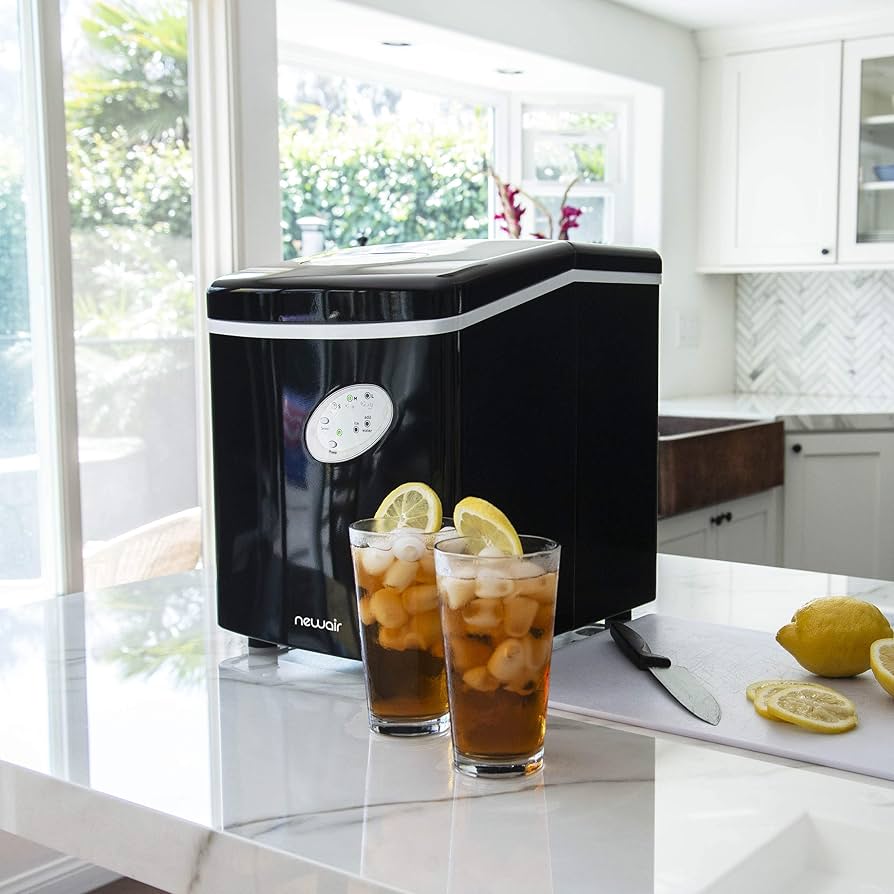
Finding the Best Ice Maker Under 200 dollars can feel like a quest for a unicorn. You want that endless supply of fresh, clean ice for your drinks, parties, and summer coolers, but you don’t want to break the bank. Let’s be real, nobody enjoys the taste of “freezer-burnt” ice that’s been sitting next to last night’s fish dinner. That’s where a dedicated countertop ice maker comes in, and trust me, it’s a game-changer. I’ve spent years testing, taking apart, and living with these machines, and I’m here to guide you through the noise to find a reliable workhorse for your kitchen.
Why Do You Even Need a Dedicated Ice Maker?
You might be thinking, “My refrigerator has an ice maker. Isn’t that enough?” For some, maybe. But if you’ve ever hosted a backyard BBQ or had a few friends over for cocktails, you know the answer is a resounding no. The built-in freezer models are notoriously slow and have tiny storage bins.
A dedicated ice maker solves several common problems:
- Speed & Volume: Most countertop models can churn out a new batch of ice in under 10 minutes. They can produce between 26 to 33 pounds of ice per day, which is more than enough for the average family or a small gathering.
- Better Tasting Ice: Because the water is in a separate, sealed system, the ice doesn’t absorb stray odors and flavors from your freezer. The result? Fresher, cleaner-tasting ice that won’t ruin your perfectly crafted old-fashioned.
- Ultimate Portability: Many of these units are compact and light. You can easily move them from the kitchen counter to the patio bar, take them on an RV trip, or even bring one to a tailgate party. All you need is a standard power outlet.
- The “Nugget Ice” Factor: Let’s not forget the holy grail of ice—nugget ice! While it used to be a luxury found only in high-end restaurants, some affordable models now produce this soft, chewable ice, and it’s a total game-changer for sodas and iced coffees.
What Kinds of Ice Makers Are Available?
While the world of ice machines is vast, when you’re looking for the best ice maker under 200, you’ll primarily be dealing with one category: countertop (or portable) ice makers. These are the plug-and-play heroes of the ice world. You fill a reservoir with water, plug it in, and minutes later, you have fresh ice.
You might also hear about undercounter or freestanding models. These are larger, more permanent installations that require a dedicated water line and a drain. They’re fantastic for commercial settings or high-end kitchen remodels, but they typically start in the high hundreds and go well into the thousands of dollars, putting them far outside our budget. So, for our purposes, we’re focusing squarely on the mighty countertop machine.
What to Look for in the Best Ice Maker Under 200
Not all budget-friendly ice makers are created equal. I’ve seen some that are noisy, inefficient, and quit after a few months. To avoid buyer’s remorse, you need to know what features actually matter.
Production Capacity and Speed
This is the number one spec people look at. It’s usually advertised as “X pounds of ice in 24 hours.” For a typical household, anything in the 26-33 lbs range is perfect. Pay closer attention to the cycle time—how long it takes to make one batch. Most models in this price range can produce a batch of 9 ice cubes in about 6-9 minutes.
Ice Shape and Quality
This is more important than you think! The shape of the ice affects how quickly it melts and how it feels in your drink.
- Bullet Ice: This is the most common type in countertop machines. It’s shaped like a small thimble with a hollow center. It’s great for most drinks because it cools quickly, but it also melts a bit faster than solid cubes.
- Nugget Ice (or Pellet/Sonic Ice): This is the fan-favorite. It’s made from compacted ice flakes, making it soft, chewable, and fantastic at absorbing the flavor of your drink. Finding a reliable nugget ice maker under $200 can be tough, but they are becoming more common.
- Clear Cubes: Some more advanced models can produce restaurant-quality clear ice cubes. These are denser, melt much slower, and look fantastic in a glass of whiskey. They are rare in this price bracket, as the technology to make clear ice is more complex.
Size, Storage, and Portability
Before you click “buy,” measure your counter space! These machines aren’t huge, but they do take up valuable real estate. Also, check the ice basket capacity. This tells you how much ice the machine can hold at one time (usually 1.5 to 2.5 lbs).
A Quick Heads-Up: Countertop ice makers are not freezers. The ice basket is insulated, but it’s not actively refrigerated. This means the ice will slowly melt over time. But here’s the clever part: the meltwater drips back into the reservoir to be turned into new ice!
Ease of Use and Cleaning
Look for intuitive controls—simple buttons for power, selecting ice size (many offer small and large bullet cubes), and indicator lights for “Add Water” and “Ice Full.” A self-cleaning function is a huge bonus and makes maintenance a breeze.
|
Our Picks for the Best Ice Maker in 2026
As an Amazon Associate, we earn from qualifying purchases.
|
||
| Num | Product | Action |
|---|---|---|
| 1 | Frigidaire 26 Lbs per Day Portable Compact Maker, Ice Making Machine, Black Stainless, Medium |

|
| 2 | Silonn Countertop Ice Maker, 9 Ice Cubes in 6 Mins, 26 Lbs in 24 Hrs, Compact Ice Machine with Ice Basket & Scoop, 2 Ice Sizes, Self-Cleaning Ice Maker for Home/Party/Office/Bar/Dorm, Black |
|
| 3 | Nugget Ice Maker Countertop, Silonn Chewable Pellet Ice Machine with Self-Cleanin Function, 33lbs/24H Portable Ice Makers for Home Kitchen Officce, Black |
|
| 4 | Silonn Ice Makers Countertop, 9 Cubes Ready in 6 Mins, 26lbs in 24Hrs, Self-Cleaning Ice Machine with Ice Scoop and Basket, 2 Sizes of Bullet Ice for Home Kitchen Office Bar Party, Sliver |
|
| 5 | FRIGIDAIRE EFIC189-Silver Compact Ice Maker, 26 lb per Day, Silver |
|
| 6 | EUHOMY Nugget Ice Maker Countertop with Handle, Ready in 6 Mins, 34lbs Per Day, Removable Top Cover, Auto-Cleaning, Portable Sonic Ice Maker with Basket and Scoop, for Home/Party/RV/Camping (Black) |
|
| 7 | Ice Maker Countertop, 9 Cubes Ready in 6 Mins, 26 lbs per Day, Ice Machine with 2 Ice Sizes and Self-Cleaning, Portable Ice Maker with Handle for Home, Kitchen, Camping, RV, Office, Black |
|
| 8 | EUHOMY Nugget Ice Makers Countertop, Pebble Ice Maker Machine with 35lbs/24H Soft Ice, Self-Cleaning Sonic Ice Maker with Ice Scoop&Basket, Pellet Ice Maker for Home/Kitchen/Office(Stainless Steels) |
|
| 9 | FRIGIDAIRE EFIC128AMZBLK Compact Countertop Ice Maker, 26 lb per Day, Black |
|
| 10 | Silonn Nugget Ice Maker Countertop, Pebble Ice Maker with Soft Chewable Ice, One-Click Operation Ice Machine with Self-Cleaning, 33lbs/24H for Home,Kitchen,Office |
|
Getting the Most Out of Your Machine: Use & Maintenance 101
Owning an ice maker is simple, but a little bit of care goes a long way in extending its life and ensuring your ice always tastes fresh.
Basic Usage Tips:
- Use Filtered Water: I can’t stress this enough. Using filtered or distilled water prevents mineral buildup (scale) inside the machine, which is the number one cause of performance issues. Tap water is fine in a pinch, but it will require more frequent cleaning.
- Let it Settle: After you unbox your new machine, let it stand upright for at least an hour (check the manual, some say 24 hours) before plugging it in. This allows the refrigerant to settle after shipping.
- Don’t Block the Fan: The machine needs to vent heat to work properly. Make sure you leave a few inches of clearance around the fan vents.
Basic Cleaning Routine (Every 3-4 weeks):
- Unplug the machine and empty all water and ice.
- Wipe down the interior with a soft cloth.
- Run a cleaning cycle using a solution of equal parts water and white vinegar. If your machine has a “Clean” function, use it now. If not, just let it run 2-3 ice-making cycles with the solution, discarding the “ice” it makes.
- Drain the vinegar solution completely using the drain plug on the bottom.
- Rinse thoroughly by running 1-2 cycles with fresh, clean water.
- Dry the interior completely with a soft cloth before storing or using.
Common Hiccups and How to Fix Them
What happens when your trusty ice machine acts up? Don’t panic. Most issues are easy to fix.
- “My ice maker stopped making ice.”
- Check the water level. Is the “Add Water” light on?
- Is the “Ice Full” sensor blocked or dirty? Sometimes a stray piece of ice can trick the sensor. Wipe it clean.
- Check the ambient room temperature. If it’s too hot or too cold, the machine might struggle to operate efficiently.
- “The ice tastes weird.”
- It’s time for a deep clean! Run a cleaning cycle with a vinegar solution as described above.
- If you’ve been using tap water, switch to filtered water.
- “It’s making a lot of noise.”
- Some operational noise is normal (the fan, the water pump, the sound of ice dropping). If it’s a new, loud grinding or squealing noise, unplug the unit and check for any obstructions in the ice-making mechanism.
A Deep Dive into Ice Types: Nugget vs. Bullet vs. Crescent
To really help you choose, let’s break down the most common ice types you’ll encounter.
| Ice Type | Best For | Pros | Cons |
|---|---|---|---|
| Bullet Ice | Everyday drinks, cocktails, bagging for coolers | Fast to produce, cools drinks quickly | Melts faster than solid cubes, hollow center |
| Nugget Ice | Sodas, iced tea, juleps, for chewing | Soft and chewable, absorbs drink flavor, cools evenly | Can be harder to find in budget models, melts moderately fast |
| Crescent Ice | General use, displacing liquid in a glass | Common in refrigerator models, stacks well | Can be “wet” ice, may have freezer taste |
As a professional in this field, I often get asked for my personal preference. John Carter, a certified appliance technician I’ve worked with for over 15 years, puts it best:
“For pure utility and speed under $200, you can’t beat a bullet ice maker. But for the actual experience of enjoying a drink, nothing beats nugget ice. It just makes every beverage feel a little more special.”
Frequently Asked Questions
Q: How often should I clean my countertop ice maker?
A: A good rule of thumb is to perform a deep clean with a vinegar solution at least once a month. If you use it daily or have hard water, cleaning it every two weeks is even better to prevent mineral buildup and ensure fresh-tasting ice.
Q: Can I use tap water in my portable ice maker?
A: Yes, you can, but it’s not recommended for the long term. Tap water contains minerals that can build up inside the machine, affecting performance and taste. Using filtered or distilled water is the best practice for longevity and quality.
Q: Do countertop ice makers keep the ice frozen?
A: No, they do not. The storage basket is insulated, not refrigerated. The ice will slowly melt over a few hours. However, the melted water drains back into the reservoir to be recycled into new ice, so no water is wasted.
Q: How much electricity does an ice maker use?
A: Countertop ice makers are surprisingly energy-efficient. They typically use about 150-200 watts while actively making ice, which is less than many other kitchen appliances. Since it’s not running 24/7 like a refrigerator, its impact on your electricity bill is minimal.
Q: Can I leave my ice maker on all the time?
A: You can, as they are designed to stop automatically when the ice basket is full and restart when the ice level drops. However, to save energy and reduce wear and tear, it’s best to turn it off when you know you won’t need ice for an extended period, like overnight or when you’re away.
The Final Scoop: Is an Ice Maker Under 200 Worth It?
Absolutely. For the convenience, speed, and quality of ice you get, a modern countertop machine is one of the best small appliance investments you can make. It elevates your daily drinks, saves your parties from lukewarm beverages, and finally frees you from the tyranny of smelly, inadequate freezer ice. By focusing on key features like production speed, ice type, and ease of cleaning, you can confidently find the best ice maker under 200 that will serve you well for years to come. Now go on and enjoy that perfectly chilled drink—you’ve earned it.